New Homeowner's First-Year Maintenance Binder: What to Track
The first year in a new home is a blur of boxes and discovering which light switch does what. It is also the year maintenance habits get set or missed. A maintenance binder, a simple organized record of everything your house needs and everything you spend on it, turns that chaos into a system that protects your home's value. Here is exactly what to put in it.
Why a Binder Beats Memory and Scattered Files
Most homeowners track maintenance in their heads until something breaks, then scramble to remember when the furnace was last serviced or whether the water heater is under warranty. A binder fixes that: one place for schedules, receipts, manuals, and warranties. When you sell, a complete maintenance history is a genuine selling point. When something breaks under warranty, the receipt and model number are already in hand. The binder costs about $15 and pays for itself the first time it saves a warranty claim.
How to Set It Up
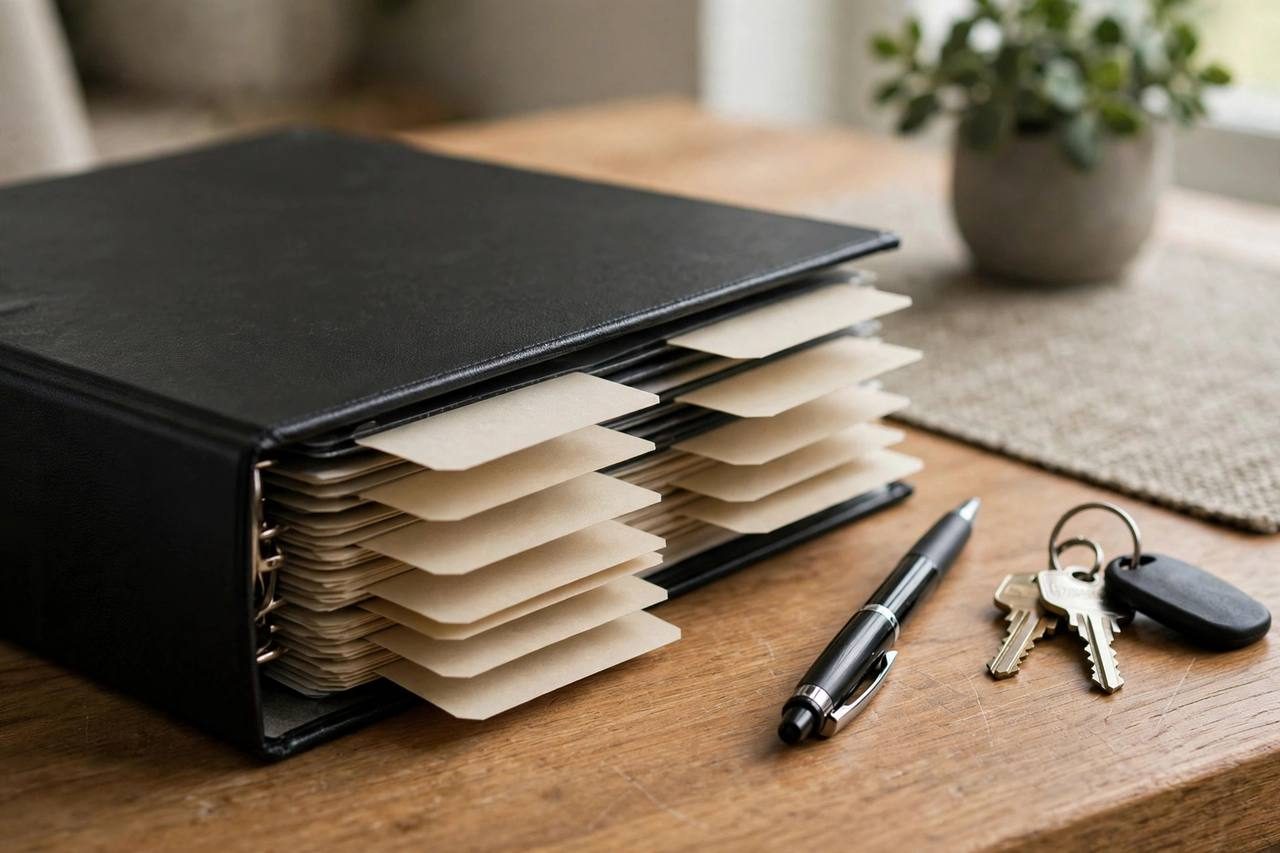
You need a 1.5-inch three-ring binder, tab dividers ($5 to $8), sheet protectors, and a pen. Label the tabs as follows and fill them in over your first month. Paper survives dead phones and is easy to hand to a contractor; a notes app or spreadsheet works too.
Suggested tabs:
- Home profile: Address, year built, square footage, purchase date, and key facts from the inspection report. Include paint colors and brands for each room, flooring types, and the location of the main water shutoff, electrical panel, and gas shutoff. This page answers the questions every contractor asks first.
- Monthly and seasonal schedule: Your year at a glance, described below.
- Appliances and systems: One page per major item.
- Warranties and manuals: The paperwork that came with appliances, plus any home warranty documents.
- Service records: Receipts and notes from every pro visit.
- Utility baselines: Monthly bills for the first year, so you can spot abnormal spikes.
- Contacts: Plumber, electrician, HVAC tech, roofer, and the previous owner if they are willing to answer questions.
The First-Year Schedule: What to Track and When
Your first year has two jobs: learn the house's rhythms and establish the recurring schedule you will follow forever. Track these from month one.
Monthly (takes 15 minutes):
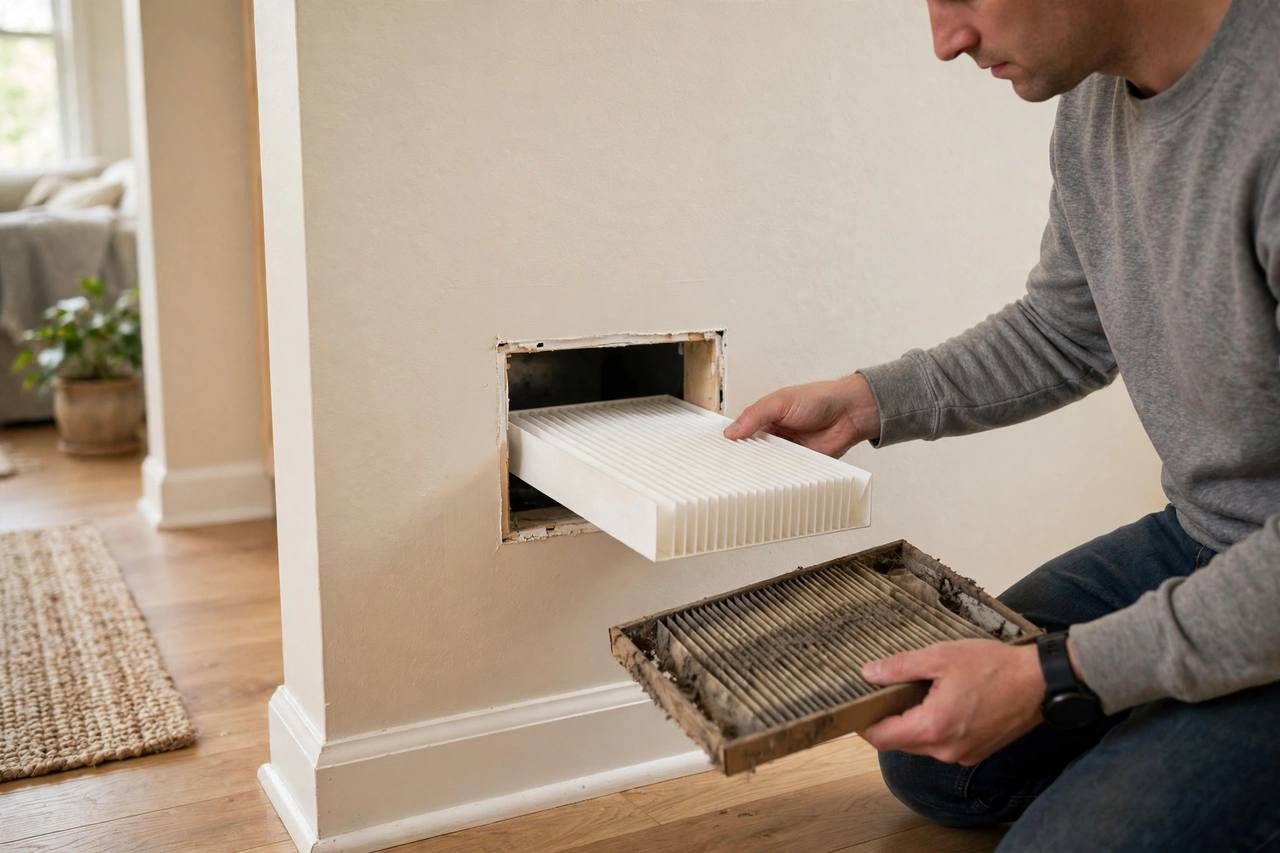
- Check the HVAC filter and change it if needed (1-inch filters: every 1 to 3 months; write the install date on the filter frame)
- Test one or two smoke and CO detectors on rotation so every unit gets tested twice a year
- Walk the house looking for new water stains, drips under sinks, and running toilets
- Note the utility meter readings or bill totals in your baseline log
Quarterly (takes an hour):
- Test the garage door auto-reverse and lubricate the track
- Clean the range hood filter (grease buildup is a fire risk)
- Flush a gallon or two from the water heater drain valve
- Check caulk and grout in bathrooms for gaps where water can get behind tile
Spring:
- Service the air conditioner before cooling season ($75 to $200)
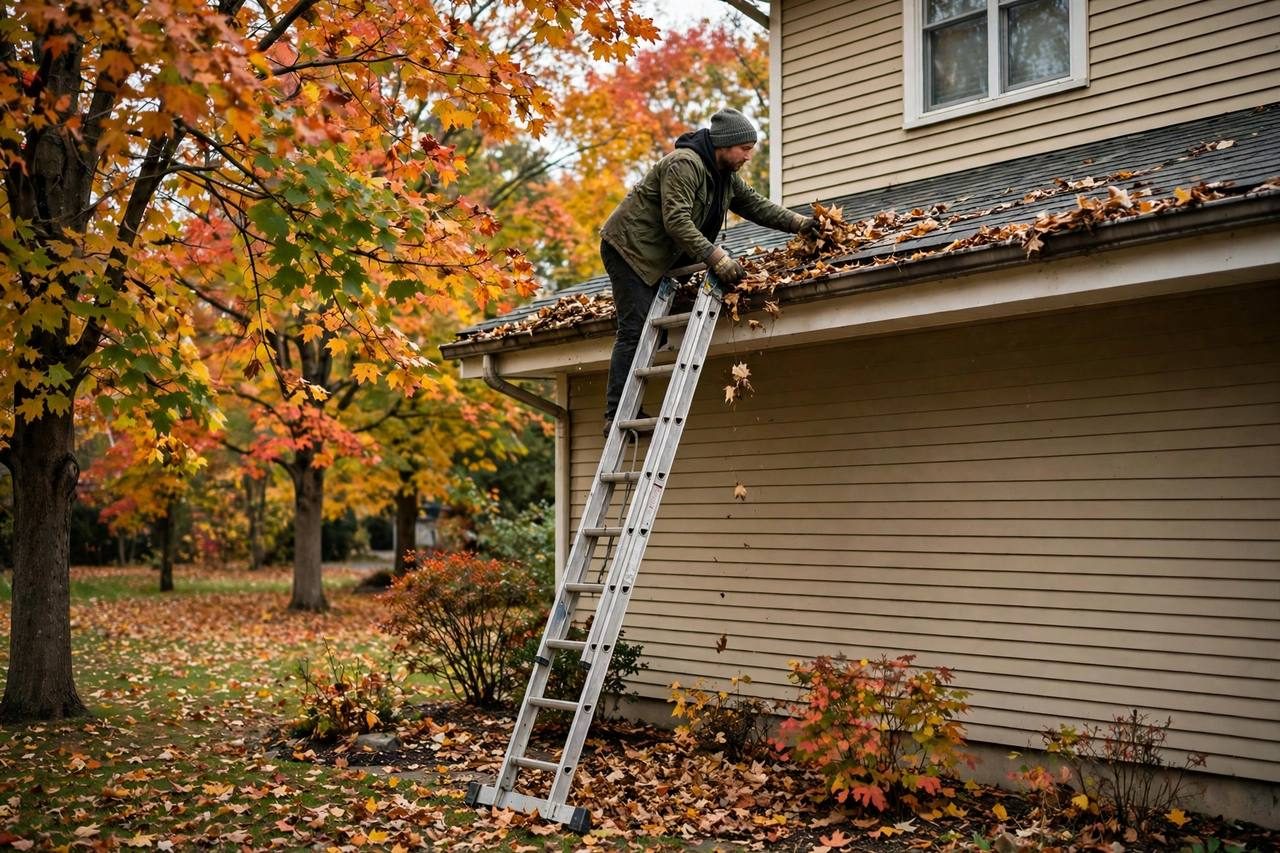
- Clean gutters after pollen and seed drop
- Inspect the roof from the ground for winter damage
- Test outdoor spigots and sprinkler system for freeze damage
Fall:
- Service the furnace before heating season ($75 to $200)
- Clean gutters after leaves fall
- Disconnect hoses and shut off outdoor spigots
- Test the heating system while repair companies still have open schedules
Annually (pick a month and repeat):
- Chimney sweep if you burn wood ($150 to $300)
- Dryer vent cleaning ($100 to $200)
- Review and update the binder itself: purge expired warranties, update paint colors, note any changes
Appliance and System Records: The Core of the Binder
For each major appliance and system, record on one page: brand, model and serial number, purchase or install date, warranty expiration, and where to buy replacement parts or filters. Log:
- Furnace and air conditioner (including filter size, which you will forget)
- Water heater (note the manufacture date; most tanks last 8 to 12 years, so write the expected replacement year)
- Refrigerator, range, dishwasher, washer, and dryer
- Garage door opener
- Sump pump, if you have one (test twice a year)
- Roof (install date and material from the inspection report; note the expected lifespan)
Keep the receipt in a sheet protector on the facing page. When the dishwasher dies in year four, you will know in seconds whether the warranty covers it.
Warranties: What to Track Before They Expire
New homeowners lose warranty coverage two ways: never registering products, and missing expiration dates. Register every appliance warranty online as you unpack (five minutes each) and log the expiration date. Note what is actually covered: parts are often one year, compressors five, labor shorter. Also track:
- Builder warranty (new construction): Typically 1 year on workmanship, 2 years on systems, 10 years on structure. Log every issue and report it in writing before each period expires.
- Home warranty (if purchased): Note the coverage caps, service fee per claim ($75 to $125 typically), and exclusions. These policies are claim paperwork heavy, and your binder is where that paperwork lives.
- Roof and siding warranties: Often 20 to 30 years on materials but with strict maintenance requirements. Note what voids them, since improper DIY work sometimes does.
Money Tracking: The Part Everyone Skips
Log every maintenance dollar: date, vendor, what was done, cost. This shows your true cost of homeownership beyond the mortgage (budget 1 to 2 percent of the home's value per year), reveals patterns like the $150 plumbing visit every six months for the same drain, and documents improvements for tax purposes.
A simple running list is enough. Date, item, vendor, cost. Review it every December and you will know exactly what the house cost you and what is trending upward.
The First 30 Days: Priority Actions
If the binder feels like a big project, start with these ten items in your first month. Everything else can wait.
- Change the locks or rekey every exterior door ($15 to $30 per lock for a DIY rekey kit; a locksmith visit costs more)
- Locate and label the main water shutoff, electrical panel, and gas shutoff
- Test every smoke and CO detector; replace any older than 10 years
- Change the HVAC filter and write down the size for reorders
- Record all appliance model and serial numbers
- Register appliance warranties online
- Find the attic access and check insulation depth
- Note the water heater's age and set a replacement budget year
- Find a good plumber, electrician, and HVAC company before you need one in an emergency
- Photograph every room and the exterior for your records (useful for insurance claims later)
Frequently Asked Questions
What should a new homeowner maintain in the first year?
The essentials: HVAC filters and seasonal servicing, gutters twice a year, smoke and CO detectors, water heater flushing, and learning where every shutoff is. Year one is about establishing the schedule; deep projects can wait.
How much should I budget for maintenance in year one?
Plan on 1 to 2 percent of the purchase price per year ($3,500 to $7,000 on a $350,000 home). Year one often runs higher, so keep a $1,000 to $2,000 contingency for surprises the inspection missed.
Should the binder be paper or digital?
Whichever you will actually maintain. Paper is durable and easy to hand to contractors; digital is searchable and backed up. Many do both: paper for receipts and manuals, a spreadsheet for the money log. The best system is the one you open.
What records do I need to keep for a future home sale?
Keep receipts and permits for improvements, the appliance log with ages, service records showing regular HVAC maintenance, and transferable warranties. A documented history supports your asking price.
How do I track maintenance if I am renting out part of the home or have roommates?
Keep the binder as the single source of truth and note who handles what. For shared houses, a one page schedule on the fridge plus the binder for records keeps everyone aligned.