DIY vs Hire a Pro: 14 Common Home Repairs, Ranked by Risk
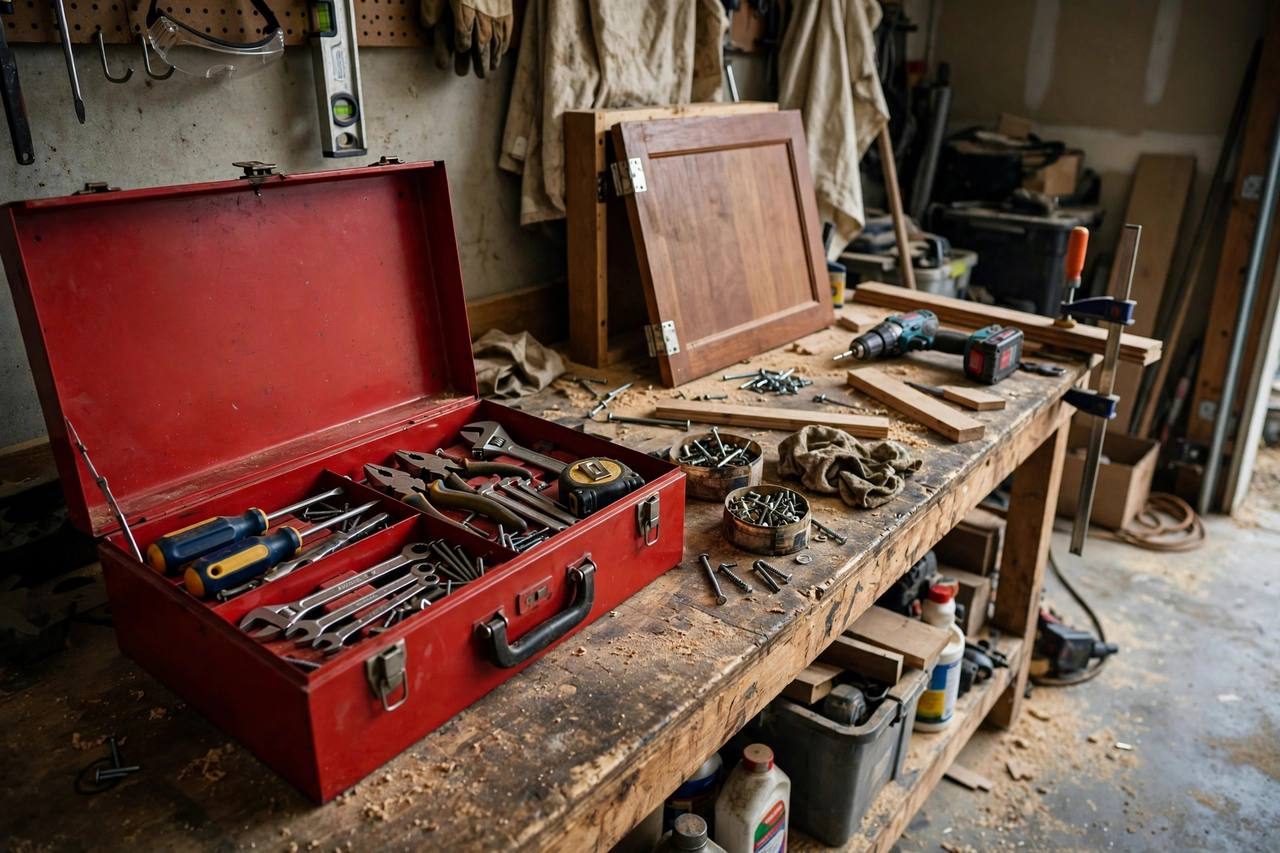
DIY videos make almost every repair look doable, and some genuinely are. But the gap between a confident tutorial and a safe result can be a flooded house, a fire, or a hospital visit. This guide splits 14 common repairs into two lists: 7 worth doing yourself, and 7 where hiring a licensed pro is the only sensible choice, with realistic cost ranges for both.
7 Repairs Worth Doing Yourself
These share three traits: minor worst case failures, cheap tools, and reversible mistakes.
1. Fixing a running toilet. Usually a worn flapper or misadjusted fill valve ($10 to $25 in parts, 20 minutes, no tools). DIY savings: $100 to $200 over a plumber's minimum visit.
2. Caulking tubs, sinks, and windows. An afternoon and an $8 tube, with the trick being full removal of old caulk and taped lines. A pro charges $150 to $400 for what is mostly patience.
3. Patching small drywall holes. Anything under about 6 inches across is a $15 patch kit and an hour of your time, plus paint. The skill is in feathering the joint compound in thin layers. Larger holes or damaged corners are still very learnable, just slower.
4. Replacing cabinet hardware. New knobs and pulls transform a kitchen for $2 to $8 per piece plus a screwdriver. Measure hole spacing before buying; mismatches mean drilling new holes.
5. Weatherstripping doors and windows. Self-adhesive foam or V-strip costs $5 to $15 per opening and cuts drafts immediately. If you can operate scissors and peel backing paper, you can do this.
6. Painting a room. Materials for an average bedroom run $80 to $150. Pros charge $300 to $800 per room, so this is one of the biggest DIY savings in the house. The difference between amateur and pro results is almost entirely prep: clean walls, patch holes, tape edges, and use two coats.
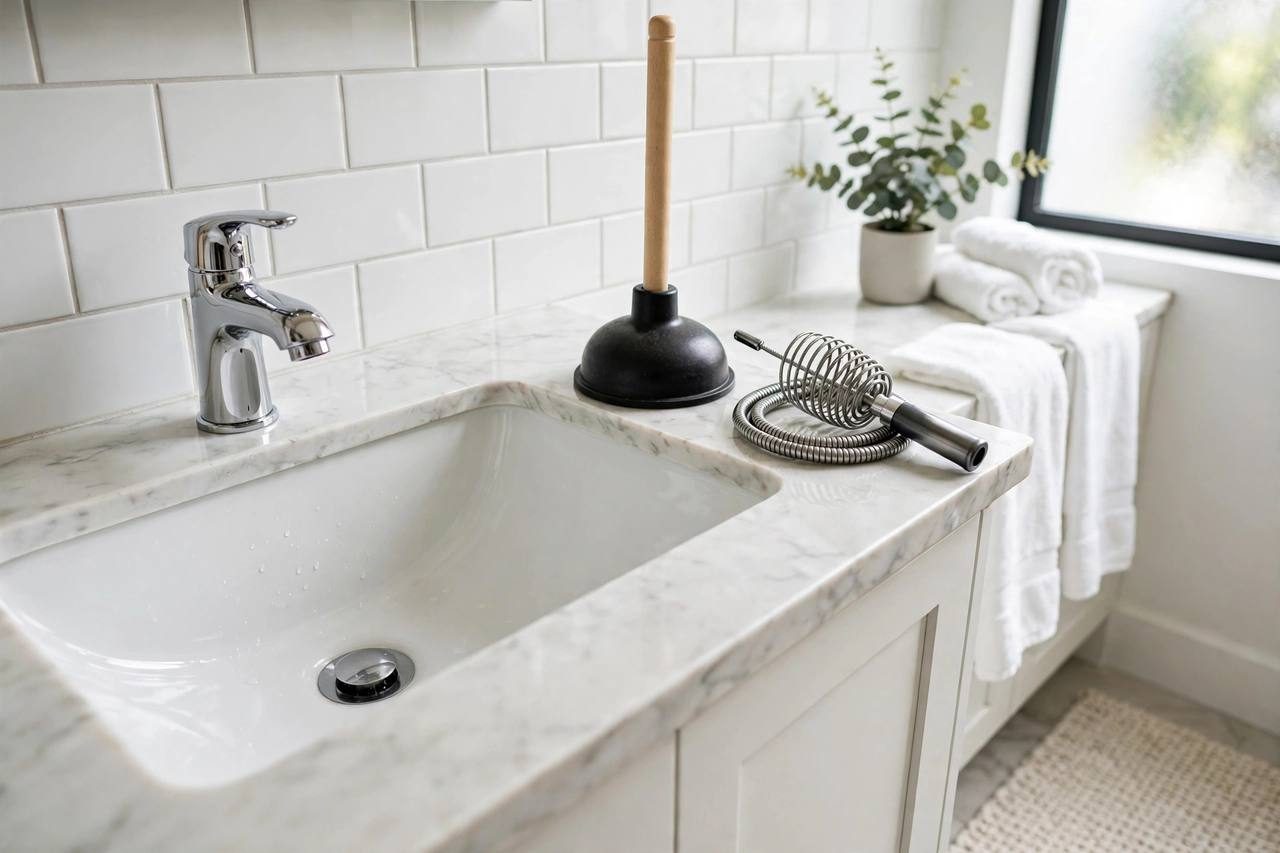
7. Clearing a slow bathroom sink drain. Hair clogs near the surface respond well to a $5 plastic drain zip tool or a plunger. This is strictly mechanical clearing, no chemicals. If the clog is deeper than the trap or affects multiple fixtures, that is a different job, see the pro list below.
7 Repairs to Never Do Yourself
These share the opposite traits: failure modes include fire, flood, explosion, structural collapse, or serious injury. Saving $200 is never worth that math.
1. Electrical panel work. Replacing breakers, adding circuits, or upgrading a panel means working inches from live bus bars that can arc at thousands of degrees. One wrong move causes burns, fire, or electrocution, and mistakes can smolder inside walls for months. Panel upgrades run $1,500 to $4,000; breaker replacements $150 to $300. Anything inside the panel is pro territory.
2. Gas line repairs. Gas leaks cause explosions, and gas work is unforgiving of small errors. Moving a gas line, fixing a leaking fitting, or installing a gas dryer hookup belongs to a licensed plumber or gas fitter ($200 to $600 for small jobs). If you smell gas, leave the house and call the gas company or 911 from outside.
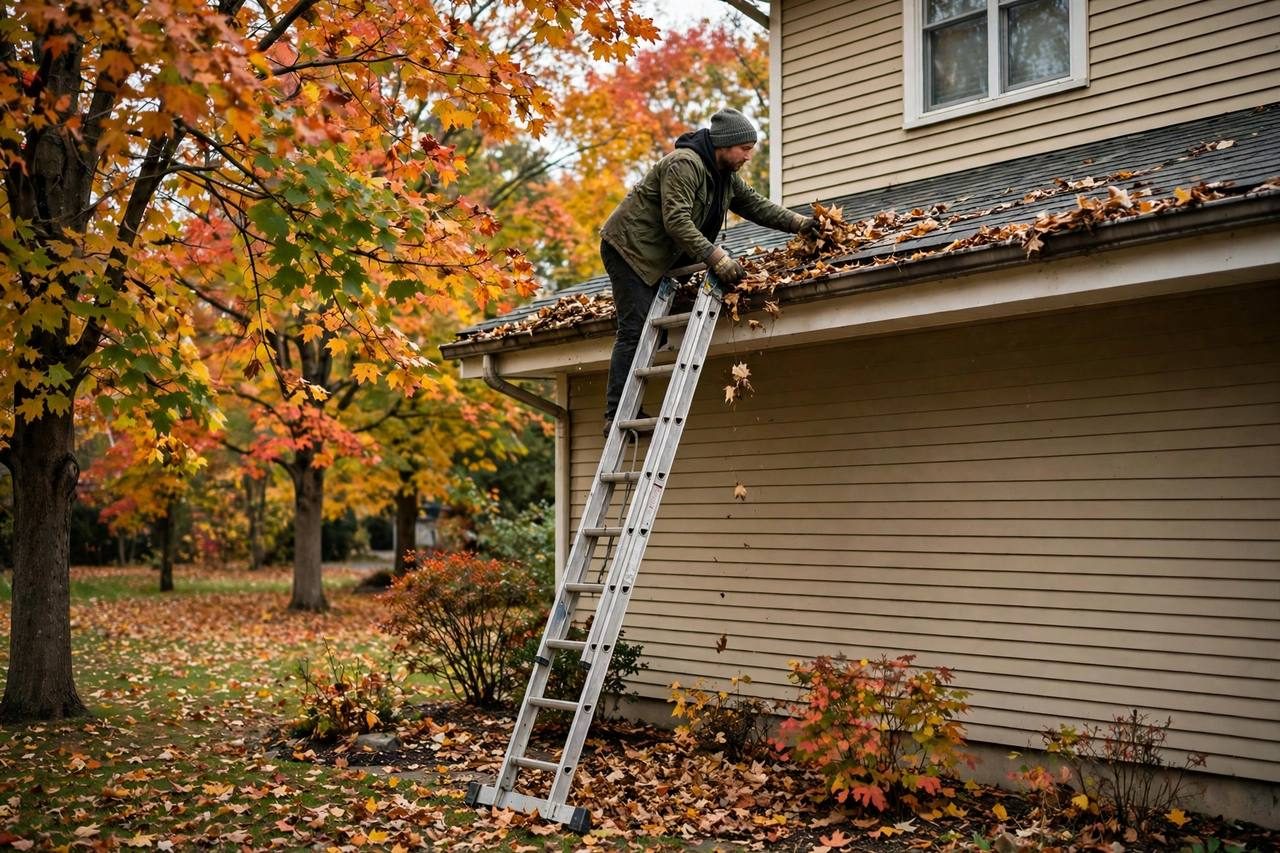
3. Roof repairs. This one is about falls, not skill: ladder and roof falls send tens of thousands of homeowners to emergency rooms yearly. Improper shingle work also voids roof warranties and creates leaks that rot decking silently. Pro minor repairs run $300 to $1,000; a botched DIY patch can become a $5,000 to $15,000 replacement.
4. Major plumbing. Moving drain lines, replacing a water heater, repiping, or touching the main sewer line is not DIY. Water damage from a failed joint routinely costs $5,000 to $25,000. Pro costs: water heater replacement $800 to $1,800, sewer line repair $3,000 to $7,000.
5. Removing or altering walls. That wall might be load bearing, and removing one without proper support can collapse the structure above. Even non structural walls can hide electrical, plumbing, or HVAC needing licensed rerouting. A pro removal with permits runs $1,000 to $5,000, cheap compared to structural failure.
6. HVAC refrigerant work. Handling refrigerant requires EPA certification, and for good reason: it is toxic, it displaces oxygen in enclosed spaces, and venting it is illegal. Low refrigerant also signals a leak that needs professional diagnosis, not a DIY top off. A pro leak repair and recharge runs $200 to $1,500 depending on the system and refrigerant type.
7. Big tree work near structures or power lines. A leaning tree looks like a chainsaw afternoon until physics gets involved. Trees fall unpredictably, and anything touching power lines can energize the entire tree. Pro removal runs $500 to $2,000. Anything within 10 feet of a power line belongs to the utility company; many will trim it free.
How to Decide: A Quick Framework
When you are unsure about a repair, run it through these questions:
- What is the worst realistic outcome? If the answer involves fire, flood, explosion, structural damage, or a fall from height, hire a pro. If the answer is "I repaint it" or "I redo the caulk," DIY it.
- Does it require a permit? Electrical, plumbing, structural, and gas work usually does. If a job needs a permit, it needs a licensed pro.
- Have I done something like this before? Tutorials compress years of experience. A first attempt at sweating copper pipe or wiring a subpanel is not the place to learn, because errors hide inside walls.
- What does my time cost? A pro does in two hours what takes you two weekends. If the pro quote is $250 and your DIY materials are $120, the real question is whether two weekends of your time are worth $130.
What Hiring a Pro Actually Costs (and How to Hire Well)
Get three written quotes for anything over $500. Verify licensing through your state's contractor board, free and takes five minutes. Ask for proof of insurance. Never pay more than 10 to 30 percent upfront, and never pay in full until the work passes inspection. The cheapest bid is a warning sign when the work involves gas, electricity, or structure.
Frequently Asked Questions
What home repair should you never DIY under any circumstances?
Gas line work and electrical panel work top the list. Both can kill or destroy the house from a single mistake, both require licenses and permits nearly everywhere, and errors stay hidden until they fail catastrophically. Roof work joins them on fall risk.
Is it cheaper to DIY or hire a handyman?
For small jobs, a handyman ($50 to $100 per hour) is often cheaper than a specialist's minimum charge. DIY wins on materials only purchases like paint, caulk, and hardware. Once a job needs a permit, a license, or tools you would have to buy, the pro is usually cheaper all in.
Can I do my own electrical work if I turn off the breaker?
Replacing a switch or outlet with the breaker off and verified dead is within reach of a careful homeowner in most areas, though some codes still require a licensed electrician. Anything involving the panel, new circuits, or 240 volt appliances is pro work, no exceptions.
How do I know if a wall is load bearing?
You cannot tell reliably by looking. Pay a structural engineer ($300 to $600) before removing or cutting into any wall you are unsure about. It is the cheapest insurance in construction.
What should I do if a DIY repair goes wrong?
Stop and contain the damage: shut off the water for plumbing, kill the breaker for electrical, ventilate for fumes. Do not try to fix a failed repair with a bigger DIY attempt. Call a pro and describe exactly what you did.