How Much Does a Furnace Tune-Up Cost in 2026?
Nobody looks forward to paying for furnace maintenance. It's invisible work on a machine you barely think about, and the bill arrives right when holiday spending starts. But a tune-up is one of the cheapest forms of home insurance you can buy: a furnace that gets serviced every year runs more efficiently, breaks down less often, and is far less likely to quit on the coldest night of January.
So what should you actually expect to pay? For a standard furnace tune-up in 2026, most homeowners pay somewhere in the range of $150 to $300 for a single visit. That range covers the majority of gas and electric forced-air furnaces in typical homes. Prices run higher in expensive metro areas and lower in smaller markets, and the final number depends on your system type, its age, and what the technician finds.
Here's what you'll learn in this guide to furnace tune-up cost: what the national price range looks like and why it varies, exactly what a technician does during a standard visit, what costs extra beyond the base tune-up, when to book for the best price and availability, and how to tell whether a quote is fair.
The Typical Cost Range (and Why It Varies)
For a straightforward tune-up on a standard residential furnace, $150 to $300 is the range most homeowners land in. A basic safety-and-cleaning visit on a newer system in a mid-cost market might come in near the bottom of that range. An older system, a high-efficiency unit with more components to check, or a home in a high-cost city can push toward the top.
A few factors move the price:
- System type and age. Older furnaces and high-efficiency condensing units take longer to service, and some technicians charge more for oil furnaces, which need extra cleaning.
- Your market. Labor rates differ a lot by region. Expect to pay more in major coastal metros and less in rural or lower-cost areas. Always compare quotes from local companies rather than national averages.
- Maintenance plans. Many HVAC companies sell annual plans that bundle a fall furnace tune-up and a spring AC check for a flat yearly fee, often with priority scheduling and small repair discounts. If you plan to service both systems yearly, a plan can beat paying per visit.
- First-time vs. returning customer. Some companies offer a lower introductory price for new customers, then standard rates after that. Ask what the second-year price looks like before you commit.
One honest caveat: prices shift with fuel costs, labor markets, and local demand, so treat the $150 to $300 range as a planning figure, not a guarantee. Get two or three written quotes and you'll quickly see what "normal" looks like in your zip code.
What a Technician Actually Does During a Tune-Up
A tune-up isn't just a quick look. A thorough visit usually takes 60 to 90 minutes and covers inspection, cleaning, testing, and minor adjustments. Here's what's typically included in the base price:
- Full safety inspection. The technician checks the heat exchanger for cracks, tests for carbon monoxide, and inspects the flue and venting. This is the most important part of the visit: a cracked heat exchanger can leak carbon monoxide into your home.
- Burner and ignition cleaning. Burners get cleaned and the ignition system gets tested so the furnace starts reliably instead of struggling through the winter.
- Blower and airflow check. The blower motor and wheel are inspected and cleaned, because restricted airflow makes the whole system work harder.
- Electrical testing. Connections get tightened, capacitors and contactors get tested, and the thermostat gets calibrated against the actual room temperature.
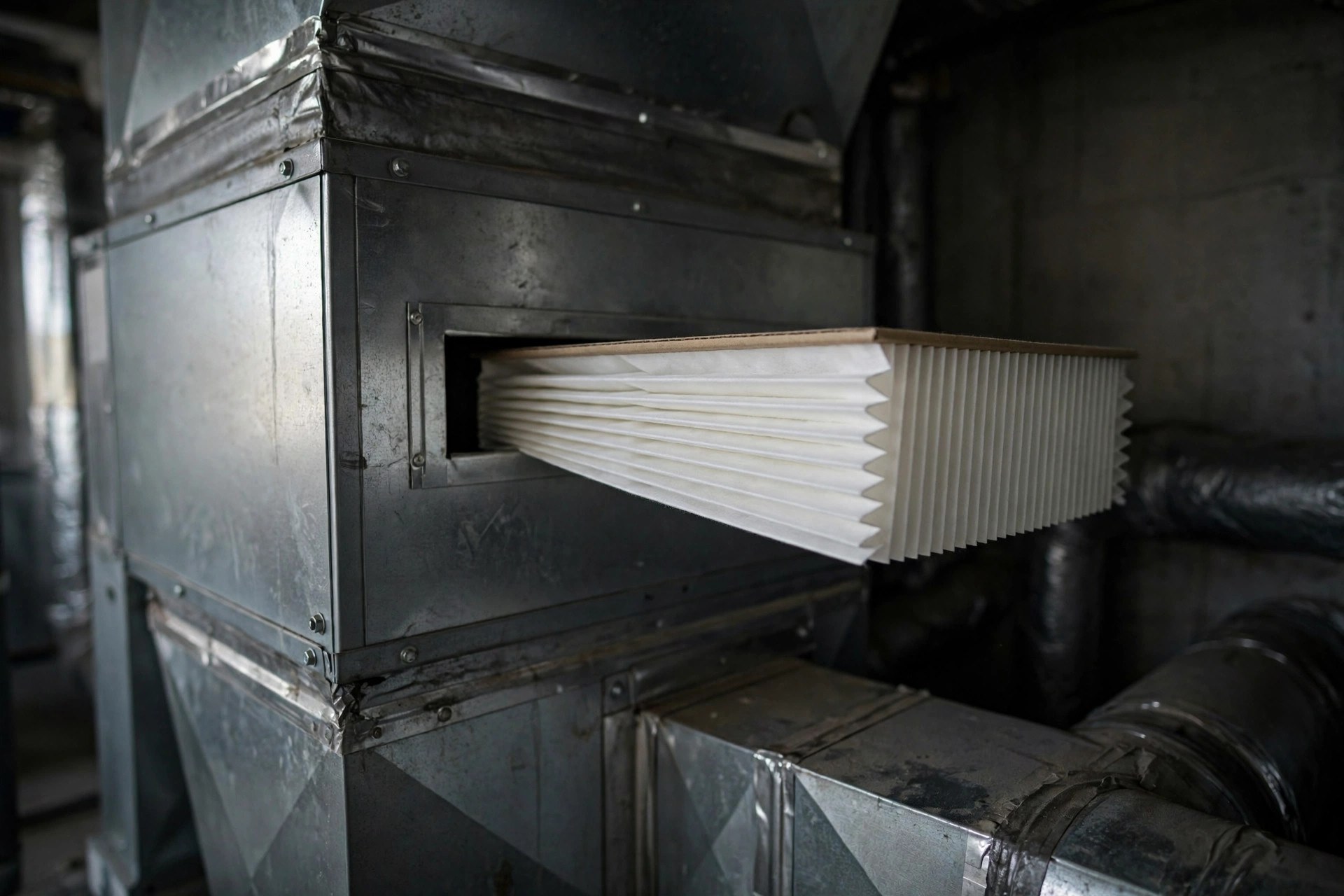
- Filter check. The technician will check your filter and usually replace it if you have a spare on hand. Between visits, change it yourself on schedule; our guide on how often to change your HVAC filter covers the timing.
- Efficiency measurements. Many techs measure temperature rise and check gas pressure to confirm the furnace is running as efficiently as it should.
When the visit ends, you should get a short written summary: what was checked, what was adjusted, and anything to watch. If a technician can't tell you what they did, that's a red flag.
What Costs Extra (and How to Budget for It)
The base tune-up covers inspection, cleaning, and minor adjustments. Anything beyond that is extra, and this is where bills surprise people. Common add-ons include:
- Replacement parts. Igniters, flame sensors, capacitors, and blower motors wear out. Small parts might add $100 to $250 installed; a blower motor can run several hundred dollars.
- Repairs found during inspection. A cracked heat exchanger or a failing control board is a repair job, not a tune-up item, and those run into the hundreds or more.
- Ductwork issues. If the tech finds disconnected or badly leaking ducts, sealing or repair is quoted separately.
- Thermostat upgrades. Swapping an old manual thermostat for a programmable or smart one is often offered on the spot. It's a legitimate upgrade, but get the price in writing first.
A good rule of thumb: budget the tune-up price plus a cushion. If the furnace is over 12 to 15 years old, keep a repair fund ready, because parts fail more often in that stretch. And never authorize a repair on the spot without a written quote; a reputable company will happily email you the numbers.
When to Book (and When Not To)
Book in early fall, September or October. HVAC companies are between the summer AC rush and the winter no-heat emergency season, so scheduling is easy and some companies run preseason discounts. Your furnace gets serviced before it actually has to work hard, which is the whole point.
Avoid deep winter if you can. January and February bring emergency calls, longer waits, and sometimes premium pricing for after-hours visits. A furnace that hasn't been serviced is also most likely to fail during the first real cold snap, which is exactly when every technician in town is booked solid.
If you're doing broader seasonal prep, fold the tune-up into your fall home maintenance checklist so it happens on schedule every year instead of whenever you remember. And if you're budgeting the full cost of keeping the house running, our guide to how much house cleaning costs covers another recurring home expense worth planning for.
How to Tell If a Quote Is Fair
You don't need to become an HVAC expert to spot a fair deal. A few checks go a long way:
- Get the scope in writing. A fair quote lists what's included: inspection points, cleaning tasks, and testing. Vague "21-point tune-up" language without details is worth questioning.
- Compare at least two quotes. For a standard tune-up, prices from reputable local companies should cluster in the same range. An outlier in either direction deserves a second look.
- Watch for the upsell script. Tune-ups are sometimes used as a foot in the door for unnecessary add-ons like duct sanitizing or premature system replacement. A second opinion is cheap insurance before any big-ticket recommendation.
- Check credentials. Licensed, insured, and willing to show it. Reviews from real local customers beat a slick website.
The cheapest quote isn't always the best value. A $99 tune-up special that skips the heat exchanger inspection isn't a bargain; it's a gamble. Pay for the thorough visit, and you'll know your furnace is genuinely ready for winter.
The Bottom Line
A furnace tune-up in 2026 typically costs $150 to $300 for a standard visit, with regional labor rates and system age doing most of the moving. Book in early fall, get the scope in writing, budget a cushion for parts on older systems, and treat the annual visit as non-negotiable maintenance rather than an optional extra. It's a few hundred dollars now versus a much bigger bill, and a much colder house, later.