The 30-Day Decluttering Challenge (With Free Checklist)

Feeling overwhelmed by clutter but unsure where to start? The 30 day decluttering challenge gives you one small, specific task each day — 15 to 30 minutes at most — so you can work through your entire home in a month without burning out. One zone, one day: easy wins first, then kitchens, baths, bedrooms, closets, storage areas, and finally sentimental items. This page includes the rules, how to prepare, the full day-by-day plan, what to do with outgoing items, and the complete checklist written out so it works as your standalone guide.
The Rules
- Set a timer. Fifteen minutes by default; thirty for the bigger days. When it rings, you stop.
- Touch one zone per day. Don't wander into another room. Stick to the day's task.
- Sort into four piles: Keep, Relocate, Donate/Sell, Trash/Recycle. No "maybe" pile.
- Get outgoing items out within 48 hours. Bag them and put them by the door or in the car — hallway lingerers sneak back onto shelves.
- No buying replacements during the challenge. Wait until day 30 before deciding what you actually need.
- Missed a day? Just continue. Don't restart and don't double up. Pick up with the current day.
Before Day 1
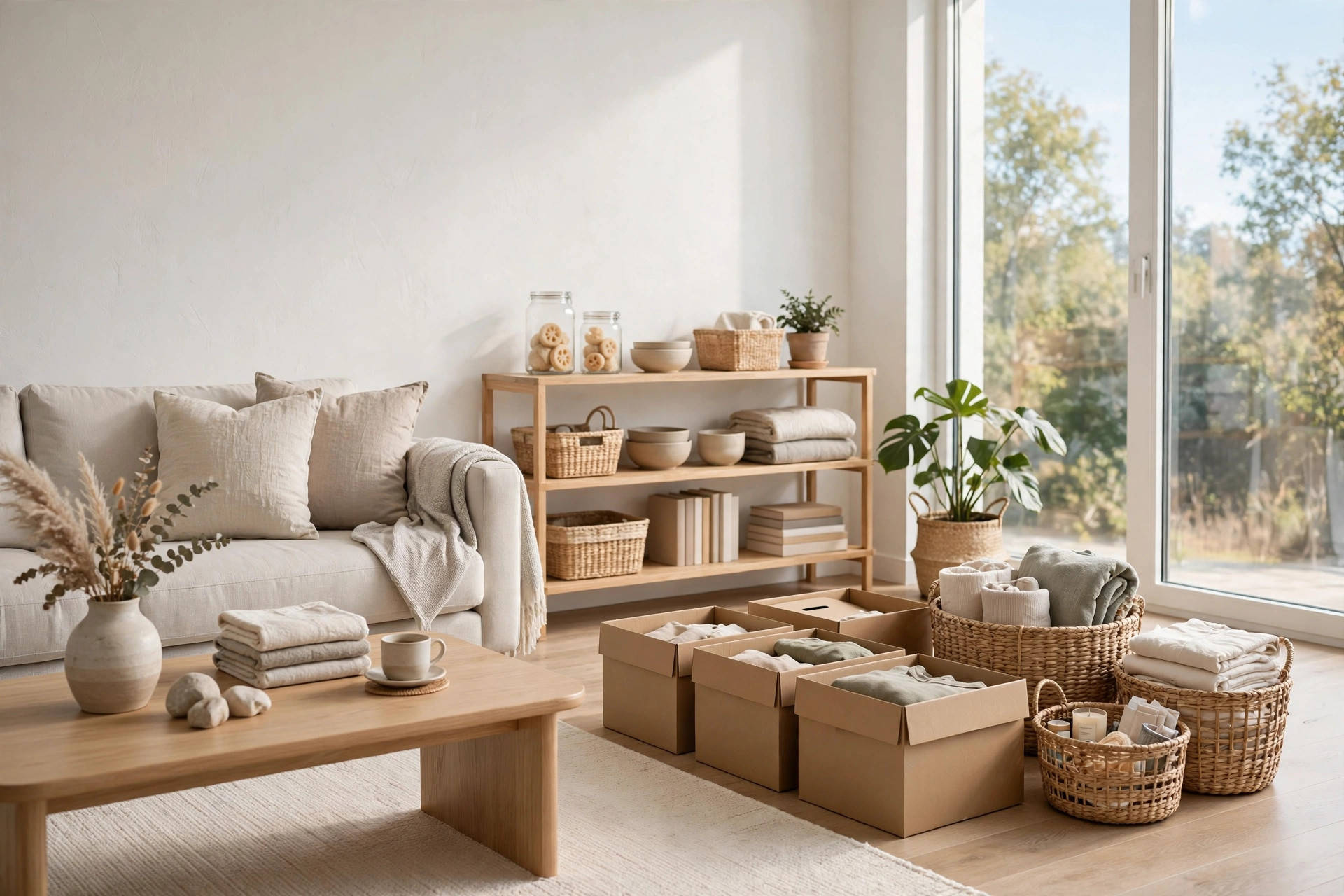
Grab a phone timer, trash bags, a recycling bin, and a few boxes or bags labeled Donate, Sell, and Relocate. Pick your donation drop-off spot in advance so outgoing items actually leave.
The 30-Day Plan
Week 1: Easy Wins
Day 1 — Entryway: Clear the surface, toss junk mail and expired coupons, hang up coats and bags.
Day 2 — Junk drawer: Dump it all out; toss dead batteries, dried-up pens, and mystery keys.
Day 3 — Kitchen counter: Clear it fully, wipe it down, and return only daily-use appliances.
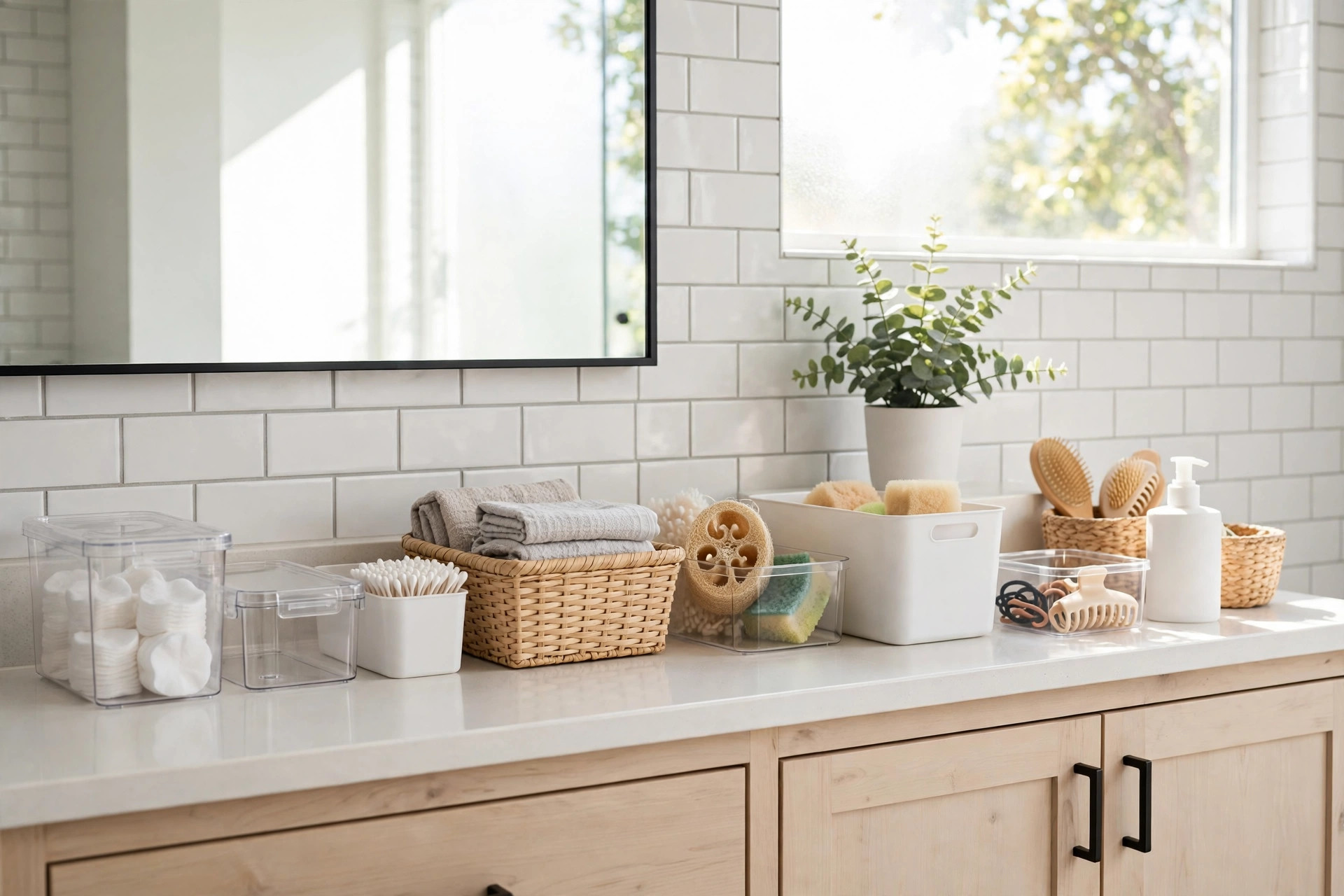
Day 4 — Bathroom counter and medicine cabinet: Toss expired meds (check local take-back programs) and dried-out products.
Day 5 — Nightstand: Recycle old magazines, relocate borrowed books, keep one small catch-all dish.
Day 6 — Wallet and purse: Empty everything; toss old receipts and expired cards.
Day 7 — Fridge door and one shelf: Toss expired condiments and fuzzy leftovers; wipe the shelf.
Week 2: Kitchen and Bathrooms
Day 8 — Pantry, top shelf: Check dates, toss the stale and expired, and group what's left by category.
Day 9 — Pantry, lower shelves and floor: Same treatment; donate unopened, in-date items you'll never eat.
Day 10 — Kitchen drawers: Pull out duplicates and single-use gadgets. Unused in a year? Out it goes.
Day 11 — Pots, pans, and lids: Match every pot to a lid; donate or recycle orphans and warped pans.
Day 12 — Food storage containers: Toss stained, lidless, and warped pieces; keep one sensible set.
Day 13 — Under the kitchen sink: Toss leaky bottles and dried-out sponges; corral supplies in one bin.
Day 14 — Linen closet: Pull out frayed towels, stained sheets, and mate-less pillowcases. Shelters often take old towels.
Week 3: Bedrooms and Closets
Day 15 — Dresser top: Clear it completely, dust, and return only what you love seeing there.
Day 16 — One dresser drawer: Start with socks and underwear; toss anything with holes or stretched elastic.
Day 17 — Remaining dresser drawers: Same standard; fold what stays so you can see it all.
Day 18 — Closet, tops and shirts: Remove the obvious no's, then flip all hangers one way — let go of what never turns around.
Day 19 — Closet, pants and skirts: Same process; set repairs aside, and if the tailor trip never happens, donate.
Day 20 — Shoes: Line them all up. Toss broken soles, donate the barely-worn, keep what you reach for.
Day 21 — Under the bed: Pull everything out, sort it, and put back only intentional storage.
Week 4: Storage Areas and Sentimental Items
Day 22 — Coat closet: Off-season coats, duplicate umbrellas, the bag of bags — keep one tote, donate the rest.
Day 23 — Laundry area: Toss empty bottles, lone socks, and products you stopped using.
Day 24 — Home office desk: Shred, file, or recycle the paper pile; test every pen; clear the desktop.
Day 25 — Bookshelf, one shelf: Keep books you'd reread or lend proudly; donate the rest.
Day 26 — Garage or storage closet (zone 1): Pick one wall or shelving unit; toss dried paint and broken tools.
Day 27 — Garage or storage closet (zone 2): Finish the rest; group like with like (tools, sports gear, holiday decor).
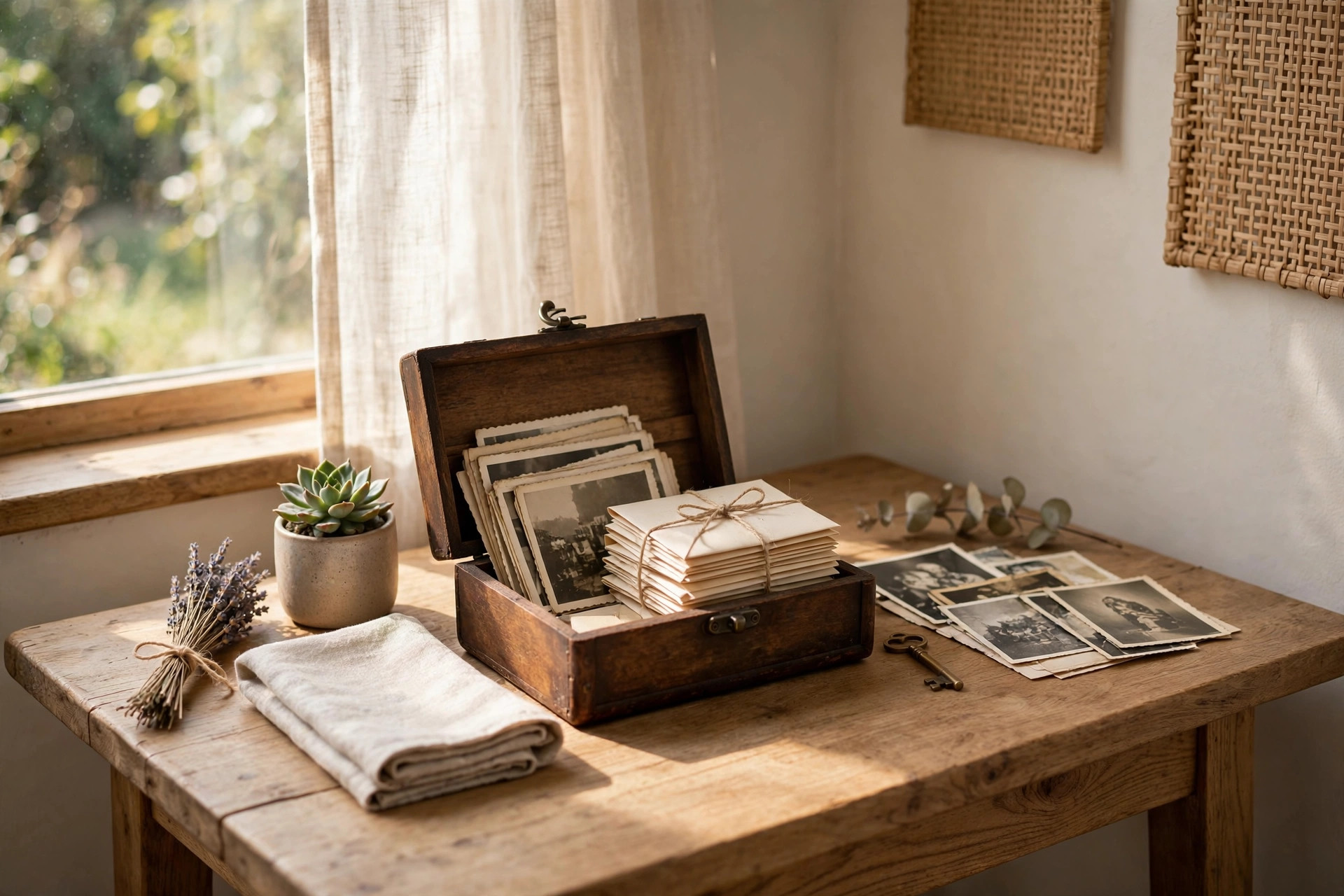
Day 28 — Sentimental items, part 1: Photos and memorabilia — keep favorites, photograph bulky keepsakes, release duplicates.
Day 29 — Sentimental items, part 2: Kids' artwork, guilt-gifts, inherited items that don't fit your life. The memory stays; the object can go.
Day 30 — Celebration sweep: Walk through with a bag, grab anything missed, and drop off donations. You did it!
What to Do With Outgoing Items
Don't let "what do I do with this?" stall you:
- Trash/recycle: Broken, stained, or worn-out items. Recycle what your local program accepts — electronics, batteries, and paint often need special drop-offs.
- Donate: Clean, working items. Drop them off within 48 hours so they don't creep back inside.
- Sell: Only items worth real money and your time to list. Give yourself a one-week listing deadline; unsold goes to donate.
- Relocate: Things that belong in another room. Deliver them at the end of each session, not "later."
- Hazardous items: Medications, paint, and chemicals need proper disposal — check your city or county website for drop-off locations.
Your Free Printable Checklist
Here's the full checklist, written out so this page works on its own. Copy it into a notes app, or print it and check off each day:
Week 1 — Easy Wins
- [ ] Day 1: Entryway
- [ ] Day 2: Junk drawer
- [ ] Day 3: Kitchen counter
- [ ] Day 4: Bathroom counter and medicine cabinet
- [ ] Day 5: Nightstand
- [ ] Day 6: Wallet and purse
- [ ] Day 7: Fridge door and one shelf
Week 2 — Kitchen and Bathrooms
- [ ] Day 8: Pantry, top shelf
- [ ] Day 9: Pantry, lower shelves and floor
- [ ] Day 10: Kitchen drawers (utensils and gadgets)
- [ ] Day 11: Pots, pans, and lids
- [ ] Day 12: Food storage containers
- [ ] Day 13: Under the kitchen sink
- [ ] Day 14: Linen closet
Week 3 — Bedrooms and Closets
- [ ] Day 15: Dresser top
- [ ] Day 16: One dresser drawer (socks and underwear)
- [ ] Day 17: Remaining dresser drawers
- [ ] Day 18: Closet, tops and shirts
- [ ] Day 19: Closet, pants and skirts
- [ ] Day 20: Shoes
- [ ] Day 21: Under the bed
Week 4 — Storage Areas and Sentimental Items
- [ ] Day 22: Coat closet
- [ ] Day 23: Laundry area
- [ ] Day 24: Home office desk
- [ ] Day 25: Bookshelf, one shelf
- [ ] Day 26: Garage or storage closet (zone 1)
- [ ] Day 27: Garage or storage closet (zone 2)
- [ ] Day 28: Sentimental items, part 1
- [ ] Day 29: Sentimental items, part 2
- [ ] Day 30: Celebration sweep
Tips for Actually Finishing
Do the challenge at the same time every day — anchor it to an existing habit like right after breakfast. Take before-and-after photos for motivation. And don't organize yet: this challenge is about removing, not buying matching bins. Organize after day 30 with what remains.
Frequently Asked Questions
How long does the 30-day decluttering challenge take each day?
Each task is designed for 15 to 30 minutes. Set a timer and stop when it rings — the small daily effort is the whole point.
What if I miss a day?
Just pick up with the current day instead of doubling up or restarting. Steady progress beats a perfect streak.
Should I do the challenge alone or with family?
Either works. Give each person the same day's task for their own space — especially kids' rooms — so everyone moves at the same pace.
What do I do with sentimental items I can't decide on?
Put them in one "decide later" box and revisit it on days 28–29, when you'll have decluttering momentum and clearer judgment. Photographing bulky keepsakes before letting them go also helps.
How do I keep my home clutter-free after the challenge?
Try a one-in-one-out rule for new purchases, a quick 10-minute reset each evening, and a mini version of the challenge — one zone per week — whenever clutter starts creeping back.