What to Do With Unwanted Christmas Gifts (Without the Guilt)

It happens to almost everyone. You unwrap the gift, your face does the thing, and you say thank you with complete sincerity, because the thought genuinely was kind. Then the guest leaves and you look at the object and think: I will never use this. Not once. Not ever.
Here is the truth nobody says out loud: keeping a gift you do not want helps no one. It does not honor the giver, it clutters your home, and it eventually gets thrown away in worse condition. Letting it go thoughtfully is the better choice, and this guide shows you how to do it without guilt and without hurting anyone.
First, Let Go of the Guilt
Guilt is the only thing standing between you and a good decision, so let us dismantle it.
The gift was given with love, and you received it with love. That exchange is complete: it happened on Christmas morning, it was real, and nothing you do with the object afterward changes it. The giver wanted you to be happy, and staring resentfully at an unused fondue set for six years makes nobody happy.
Gifts are not contracts. An unwanted gift kept out of guilt eventually becomes clutter you resent, which is a worse fate for the giver's intentions than a clean, early goodbye. If letting go feels hard because the item carries emotional weight, our guide to decluttering sentimental items walks through that exact feeling with care.
Here's what you'll learn in this guide to unwanted Christmas gifts: the etiquette rules that make regifting completely fine, how to resell without shame, the fastest donation routes, how to organize a gift swap with friends, and what to do when the giver is someone you will see at every family dinner.
The Rules of Regifting (Done Right)
Regifting has a bad reputation it does not deserve. Done thoughtfully, a good item finds the right person instead of a landfill. But there are rules, and they matter.
The five rules of good regifting
1. The item must be new and unused. This is non-negotiable. Regifting means passing along something in pristine, giftable condition, still in its packaging if possible. Anything used, worn, or opened is not a regift; it is a hand-me-down, which is also fine, but call it what it is.
2. Never regift within the same circle. The cardinal rule. If your aunt gave it to you, it does not go to your cousin. If a coworker gave it to you, it does not go to another coworker. The gift should travel to a completely different social orbit where it will never be recognized.
3. Rewrap it completely. Remove every trace of the original giving: old gift wrap, tags, cards, stickers, and any personalization. Inspect carefully. A forgotten "To Sarah, Love Mom" tag is how regifting horror stories begin.
4. Give it to someone who will actually want it. Regifting is a matching exercise, not a disposal method. That scented candle set goes to the friend who burns candles daily, not to the next random birthday on your calendar.
5. Do not regift handmade or deeply personal items. If someone made it for you, chose it with obvious personal thought, or gave it to mark something meaningful, keep it or handle it with extra care. Regifting a generic gift card holder is fine. Regifting the scarf your grandmother knitted is not.
Keep a gift closet
Designate one shelf or box as the gift closet: a holding spot for new, unused items that are not quite right for you. When a birthday comes up, shop the closet first. It saves real money while keeping good items in circulation.

Resell Without Shame
Some gifts are simply worth money, and converting them to cash you will actually use is a rational, guilt-free choice. Nobody is harmed when a duplicate kitchen gadget becomes grocery money.
Where to sell depends on the item:
- Electronics, collectibles, and brand-name goods: online marketplaces with buyer protection get the best prices. Take clear photos, write honest descriptions, and price slightly below new.
- Clothing with tags: resale apps and local consignment shops. Items with tags attached sell fast and hold value well.
- Books, media, and games: trade-in programs and used media shops give quick cash or credit.
- Generic household items: local marketplace listings and community sale groups move these fastest.
A few practical tips: sell sooner rather than later, because most items lose value sitting in a closet. Keep the original packaging if you have it; it meaningfully raises the price. And be honest in listings that the item is new and unused, which is a selling point, not a confession.
Donate: The Kindest Fast Route
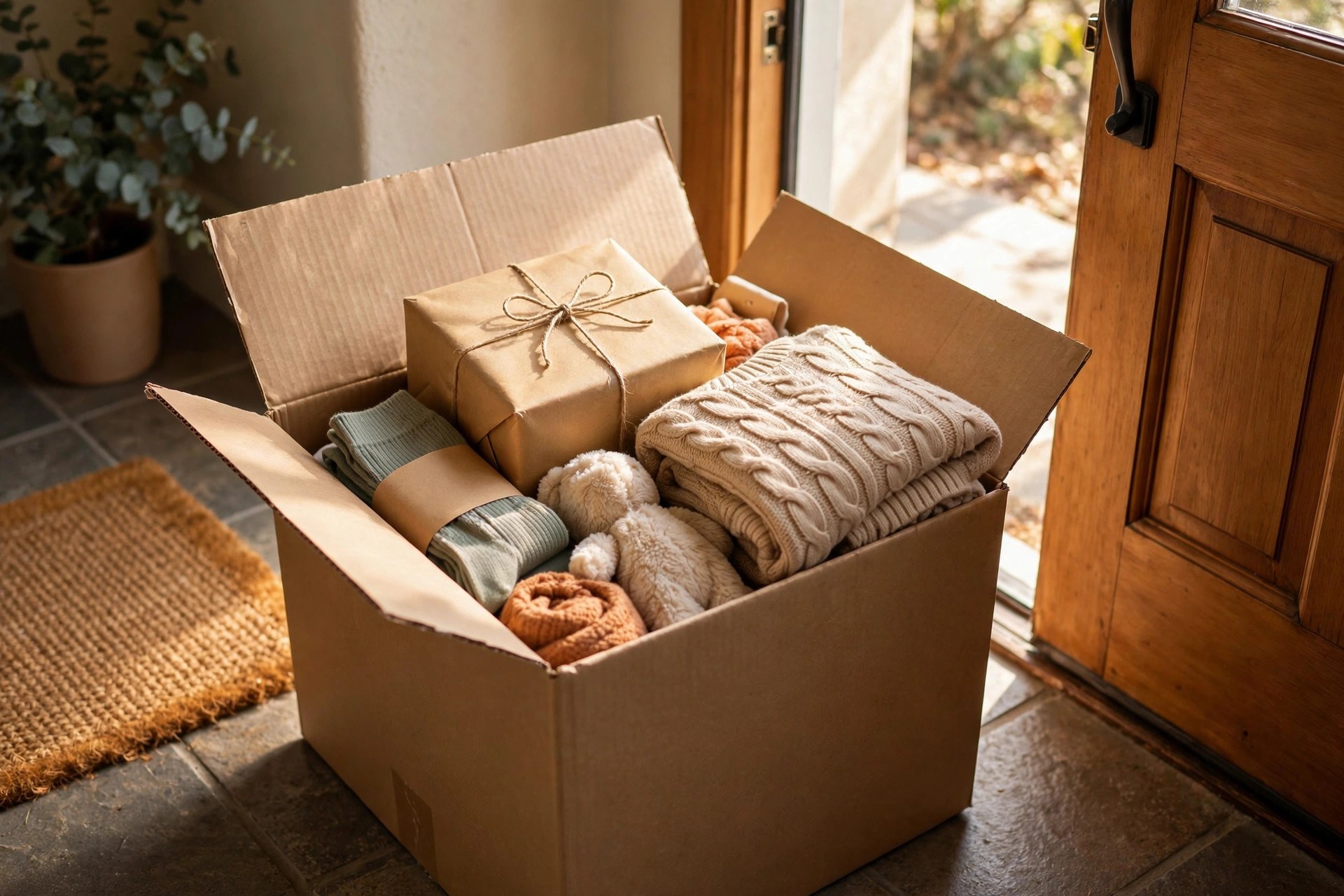
Donation is the fastest way to turn an unwanted gift into someone else's good day, and it is the right choice when reselling feels like too much effort for the item's value.
Best donation targets for new gifts:
- Holiday gift drives and toy drives. Many run into January and desperately need new, unopened items. A gift you do not want is exactly what these programs are built to receive.
- Shelters and family services. Women's shelters, family shelters, and refugee resettlement programs accept new household goods, toiletries, and clothing. Call ahead to ask what they need most.
- Thrift stores. The simplest option for almost anything. Bag it, drop it off, done. Your ten minutes becomes someone else's affordable find.
Donate promptly. A gift donated in January helps someone this winter; the same gift donated in three years after gathering dust helps no one as much. Speed is part of the kindness.
Organize a Swap With Friends
Here is an option most people never consider: gather a few friends, everyone brings their unwanted gifts, and you trade. What is wrong for you might be perfect for someone else.
How to run a good gift swap:
- Keep it small: four to eight people is ideal, and everything must be new and unused.
- Lay everything out, take turns choosing, and allow one steal per round if you want drama.
- Anything unclaimed at the end goes to donation as a group.
The swap works because it removes the secrecy. Nobody is quietly offloading; everyone is openly trading, and the atmosphere is usually delighted rather than awkward. It also makes a genuinely fun January get-together out of something that felt like a burden.
Gifts From People You Will See Again
This is the hard one: the gift from your mother-in-law, your boss, or your best friend's partner, someone whose living room you will sit in and who might ask about it. Handle these with extra thought, not extra guilt.
The display grace period. If the giver is likely to visit your home soon, display the item for a few weeks to a couple of months. Take a photo of it in place, in case anyone ever asks. Then let it go through any of the routes above. You honored the gift; you are not running a museum.
If they ask directly, be warm and vague. "We loved it, thank you again" is a complete answer. Most people ask out of politeness, not surveillance, and a warm thank-you satisfies them entirely.
Never criticize the gift to mutual connections. Even if everyone agrees it was a miss, saying so risks getting back to the giver. Vent privately if you must, then move on.
Consider the relationship over the object. For the closest relationships, sometimes keeping a small unwanted gift is genuinely the right call. Make it deliberately, not by default.
What Not to Do
A short list of moves that cause the problems everyone fears:
- Do not throw a usable gift in the trash. If it works and someone could want it, binning it is the one option that wastes the giver's money and the planet's resources at once.
- Do not regift back to the giver. It sounds impossible, but it happens more than you would think, especially with generic items in small circles.
- Do not announce what you are doing. Posting the gift for sale where the giver will see it, or loudly discussing your donation plans, creates hurt that a quiet decision avoids entirely.
A Kinder Way to Think About It
Every unwanted gift is a small mismatch between what someone thought you would love and what you actually love. That mismatch is normal, it is nobody's fault, and it is fixable. Regift it to the right person, sell it and use the money well, donate it to someone who needs it, or swap it with a friend who will treasure it.
The goal was never the object. The goal was the moment on Christmas morning: someone thought of you, and you felt loved. You can let the object go and keep that part forever.
If the holidays have you clearing space more broadly, our pre-holiday decluttering checklist covers the whole house, and the declutter before you move checklist handles the bigger version of the same decisions.