Move-Out Cleaning Checklist: Get Your Full Deposit Back
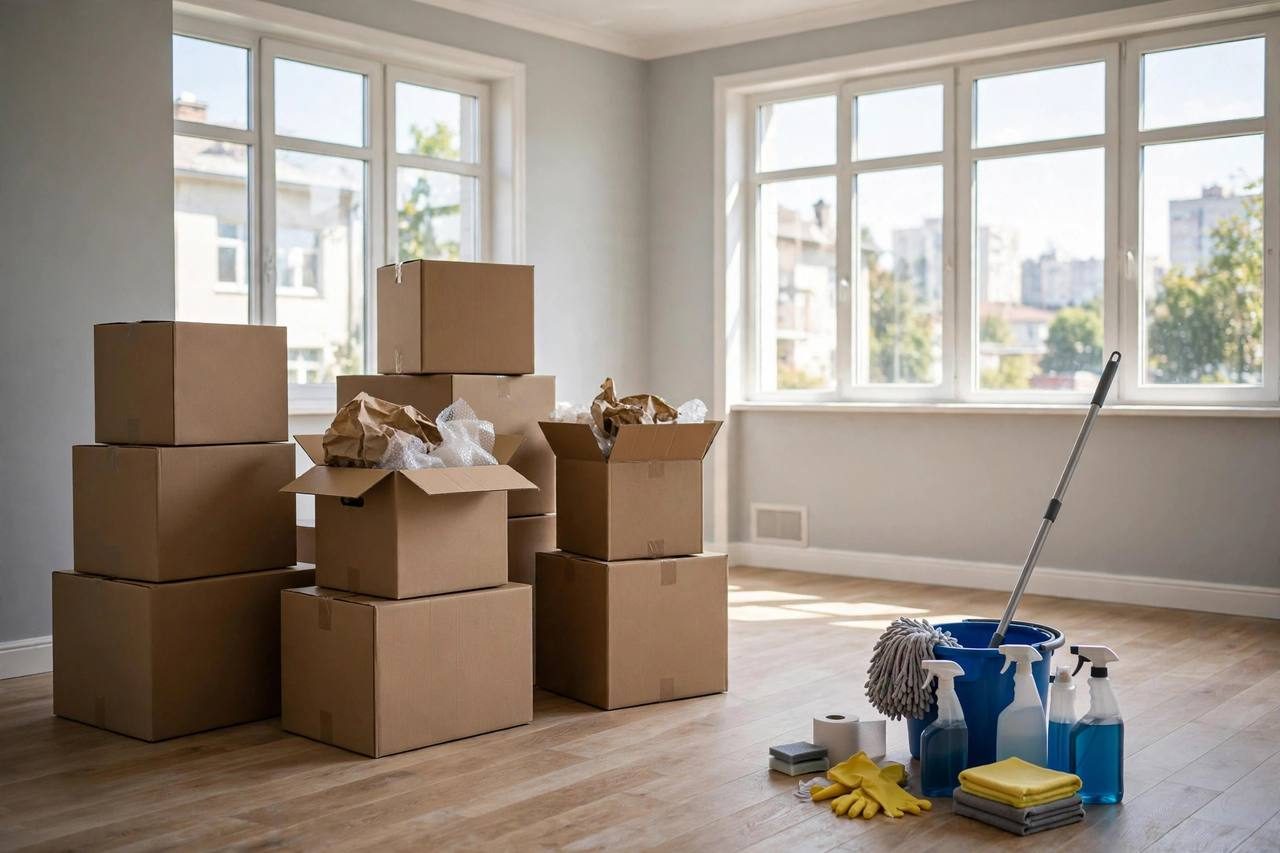
Landlords deduct from security deposits for cleaning more than for almost any other reason. The average cleaning deduction runs $150 to $350, and it's the easiest deduction to avoid: unlike carpet wear or wall damage, cleaning is entirely in your control.
Two ground rules before you start. First, clean after the furniture is out, not before. Second, photograph everything when you finish: time-stamped photos of each clean room are your evidence if a deduction is disputed later.
The Whole-Apartment Pass (Do These Everywhere)
Start with the tasks that apply to every room, then work through the room-specific lists:
- Walls: Spot-clean scuffs and marks with a damp magic eraser. Don't repaint without asking: a bad touch-up job looks worse than the scuff and can trigger a full repaint charge ($200 to $500).
- Baseboards: Wipe down every baseboard in the apartment. They collect a visible line of dust that inspectors always check.
- Light switches and outlets: Wipe the covers. Grimy switch plates are a classic inspection catch.
- Doors: Wipe door fronts, handles, and the tops of doors where dust settles thick.
- Closets: Empty completely, wipe shelves, vacuum or mop the floor. Check the top shelf and the floor corners where things get forgotten.
- Windows: Clean interior glass, sills, and tracks. You don't need to do exterior glass in most rentals, but sills and tracks must be dirt-free.
- Blinds and curtains: Dust blinds slat by slat (a damp microfiber cloth or a dryer sheet works). If curtains are yours, take them down and wash them or take them with you. If they came with the unit, dust or launder per the fabric.
- Ceiling fans and light fixtures: Dust blades and wipe fixture covers. Replace any burned-out bulbs: landlords routinely charge $5 to $10 per bulb.
- Floors: Vacuum carpets edge to edge, including under where furniture sat. Mop hard floors last, after all other cleaning is done.
Kitchen: The Highest-Stakes Room
The kitchen generates more deposit deductions than any other room. Inspectors open everything, so "looks clean" isn't enough.
- Oven: This is the number one deduction trigger. Clean inside thoroughly: racks, walls, glass door, and the broiler drawer. A professional oven clean costs a landlord $75 to $150, which is what they'll deduct if you skip it.
- Stovetop: Remove burner grates or coils and clean underneath. Wipe the drip pans or replace them (new drip pans cost $8 to $15 for a set, far cheaper than a deduction).
- Range hood and filter: Degrease the hood exterior and clean or replace the filter.
- Refrigerator: Empty completely, remove shelves and drawers, wash them, wipe the interior walls, and clean the door seals where mold hides. Pull the fridge out and clean the floor underneath.
- Dishwasher: Wipe the door edges and gasket, clean the filter, and run an empty hot cycle with a cup of vinegar.
- Microwave: Clean inside, including the ceiling of the cavity where splatter hides. Remove and wash the turntable.
- Cabinets and drawers: Empty every one, wipe interior shelves, and wipe the cabinet fronts and handles.
- Sink and faucet: Scrub the basin, shine the faucet, and clean the drain area.
- Countertops and backsplash: Degrease the backsplash, especially behind the stove.
Bathrooms: The Second Highest-Stakes Room
Bathrooms get judged on grout, fixtures, and anything that suggests mold or neglect.
- Toilet: Clean inside the bowl, the seat, the base, and the floor around the base.
- Tub and shower: Scrub the tub, tiles, and grout. Remove soap scum from glass doors. Clean the drain cover and remove hair.
- Sink and vanity: Clean the basin, faucet, and the area behind the faucet where grime builds. Empty and wipe the medicine cabinet and vanity drawers.
- Mirror: Streak-free clean.
- Exhaust fan: Dust or vacuum the cover. A caked fan cover signals neglect to inspectors.
- Towel bars and accessories: Wipe down, and fill any holes from mounted accessories you installed.
Bedrooms and Living Areas
These rooms are simpler but still get inspected closely:
- Carpets: Vacuum thoroughly. If your lease requires professional carpet cleaning (many do), get a receipt from the cleaner: it typically costs $100 to $200 for an apartment and prevents a much larger deduction. Without a lease requirement, a thorough vacuum plus spot treatment of stains is usually enough.
- Nail holes: Fill small nail holes with spackle, let dry, sand lightly. Most leases allow normal wear including small nail holes, but filled holes look far better than open ones. Don't paint over them unless your lease demands it.
- Hard floors: Sweep and mop. Check for scratches or gouges beyond normal wear and photograph any you find.
- Fireplace: If you have one, clean out ash and wipe the surround. This is easy to forget and obvious when missed.
What Landlords Actually Deduct For
Knowing the dollar amounts makes the effort concrete. Typical cleaning-related deductions:
- General cleaning (whole unit): $150 to $350
- Oven cleaning: $75 to $150
- Refrigerator cleaning: $50 to $100
- Bathroom deep clean: $75 to $150 per bathroom
- Carpet cleaning: $100 to $250
- Trash and junk removal: $50 to $200 depending on volume
- Light bulb replacement: $5 to $10 per bulb
- Drip pan replacement: $10 to $25
Compare that to the DIY cost: about $25 in supplies and one full day of work for a typical apartment. Even hiring a move-out clean ($200 to $400) usually costs less than the combined deductions from skipping it.
Timing and Logistics
Schedule the clean for after movers leave and before the final walkthrough. The sequence that works:
- Move everything out (furniture, boxes, trash).
- Top-to-bottom clean following this checklist, kitchen and bathrooms last.
- Floors absolutely last, working toward the front door.
- Photograph every room, including inside the oven, fridge, and cabinets.
- Final walkthrough with the landlord if possible. Get a signed copy of the move-out form.
If your landlord won't do a joint walkthrough, email the photos to them (or yourself, for a timestamp) on move-out day. That paper trail wins disputes.
Frequently Asked Questions
What is considered normal wear and tear vs damage I can be charged for?
Normal wear and tear means deterioration from ordinary use: minor scuffs on walls, small nail holes, slightly worn carpet in high-traffic areas, faded paint. Damage means negligence or abuse: large holes, burns, pet-stained carpet, broken fixtures. Cleaning is almost never considered wear and tear: a dirty oven or grimy bathroom is chargeable even if everything else is perfect.
Can my landlord deduct for professional carpet cleaning if the carpet looks fine?
If your lease has a carpet-cleaning clause requiring professional cleaning with a receipt, yes, they can deduct for it even if the carpet looks clean to you. Without such a clause, they generally need to show the carpet was actually dirty or damaged. Read your lease before you move out.
How long does the landlord have to return my deposit?
Most states give landlords 14 to 30 days after move-out to return the deposit with an itemized deduction list. Common timelines: California 21 days, Texas 30 days, New York 14 days.
Should I hire a move-out cleaning service or do it myself?
DIY if you have a full day: the supply cost is minimal and you control the quality. Hire if you're moving long-distance, short on time, or facing a strict property management company known for heavy deductions. If you hire, book a service that specifically offers move-out cleans and confirm the task list matches this checklist.
What if I disagree with a deduction?
First, request the itemized deduction list in writing: landlords must provide it in most states. Compare each line against your move-out photos, then dispute in writing (email counts), citing the photos and your state's deposit law. If the landlord won't budge, small claims court handles deposit disputes routinely, and judges tend to side with tenants who have timestamped photos.