November Home Maintenance Checklist: Winter Prep for Cold Climates, Storm Prep for Warm Ones
November is the last useful month to get the outside of your home ready before winter in cold climates, and the right month to get ready for guests and wet weather everywhere else. Do the cold climate jobs first if a freeze is coming, because a burst pipe or a failed heater does not wait for a convenient weekend. Then work through the indoor jobs, which matter in every climate.
Work through this list in order, and tick off each job before moving on. Most of these take under an hour. None of them needs a contractor unless something you find is broken.
Cold climates first: beat the freeze
1. Protect pipes
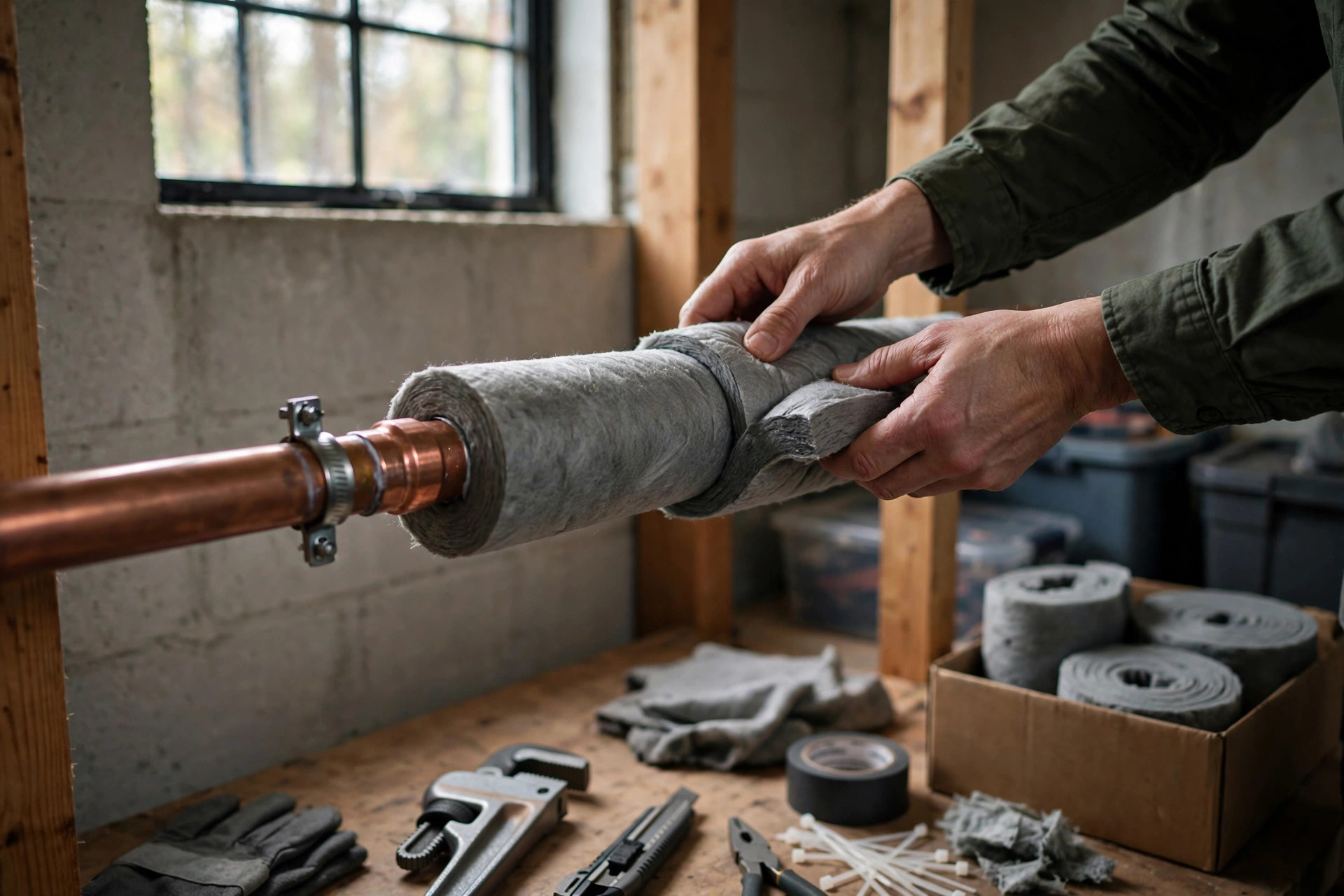
Pipes along exterior walls or in unheated garages are the freeze risk. Insulate exposed pipes, and where suitable, fit heating tape or cables on those runs. Never install heating tape inside walls, ceilings, or floors, where it can pose a fire hazard. If a pipe has frozen before, it will freeze again: that is the pipe to protect first.
2. Shut off and drain outdoor taps
Turn off the water supply to outdoor taps, open the taps to drain them, and store hoses indoors. A hose left connected over winter traps water in the tap and the pipe behind it, which is exactly how a freeze starts.
3. Clear gutters after leaf fall
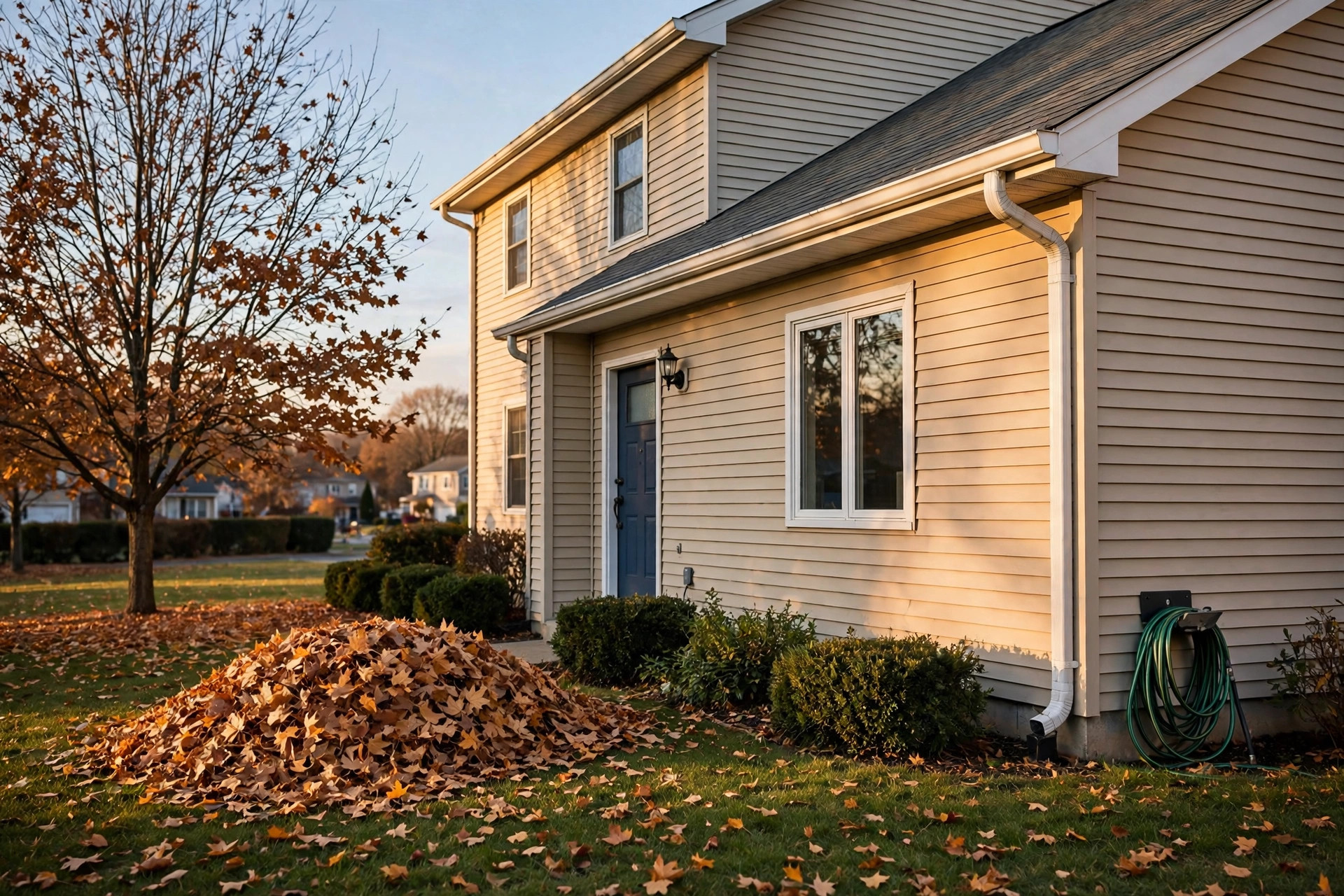
Clear gutters and check that downspouts direct water away from the foundation. Blocked gutters overflow against the house, and in freezing weather that water becomes ice dams at the roof edge. Do this after most leaves have fallen, not before, or you will do it twice.
4. Set the heating schedule, with one caveat
The US Department of Energy says you can save as much as 10% a year on heating and cooling by turning your thermostat back 7 to 10 degrees Fahrenheit for 8 hours a day from its normal setting. That is an upper bound, not a guaranteed saving: "as much as" is the Department's wording, and your result depends on your home and climate. A programmable thermostat can run the setback while you are asleep or away, so you do not have to remember it.
One caveat matters. Programmable thermostats are generally not recommended for heat pumps in heating mode, because a setback can cause inefficient operation and cancel out the savings. If you heat with a heat pump, keep a moderate, steady setting or use a thermostat designed for heat pumps, and skip the deep setback.
5. Stock firewood properly
If you burn wood, make sure you have seasoned hardwood on hand before the coldest weeks, stacked off the ground, covered on top, and kept away from the house wall. Wet or green wood smokes, gives little heat, and coats the flue.
Warm climates: storm season and wet weather
Not every reader faces a freeze in November. In warm regions, including much of Australia heading into summer, the November jobs are different:
- Clear gutters before storm season, and check that water runs away from the foundation rather than pooling against it.
- Reset the entryway for wet weather: a sturdy mat, a place for wet shoes, and a hook for rain jackets keep mud out of the rest of the house.
- Check outdoor drains and any low spots where water collects after heavy rain.
- Service the cooling system before sustained heat arrives, and clean or replace filters so the system is not working against a clogged filter all summer.
The guest room and kitchen jobs below apply in both climates.
Every climate: safety and the kitchen
6. Test smoke and carbon monoxide alarms
Test every alarm, replace batteries where needed, and replace any alarm that does not sound. Do this as part of the November reset, before the heating season and the heavy cooking season both begin. This is general safety guidance, not a claim about any particular alarm brand.
7. Put a fire extinguisher in the kitchen
Keep a fire extinguisher close at hand in the kitchen, check the pressure of any unit you already own, and tell everyone who cooks where it is kept. An extinguisher in a cupboard nobody opens is decoration, not protection.
8. Clean cooking appliances before the busy season
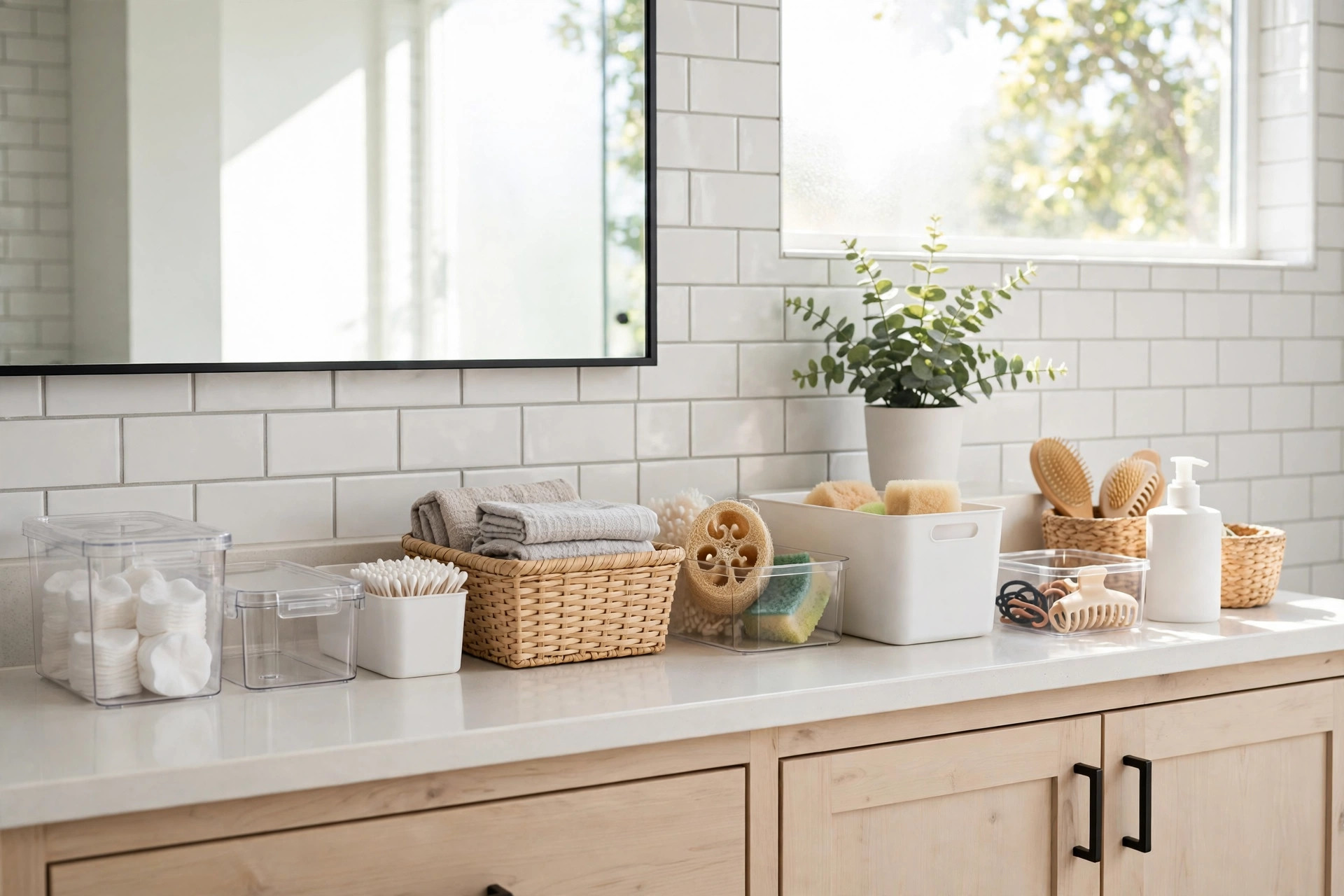
Clean stove drip pans and the stove top, and clean the oven now rather than the week guests arrive. Grease buildup is a fire risk and a smoke risk, and an oven problem found on the day of a big meal is a much bigger problem than the same fault found in November. Do not run a self-clean cycle right before a big cooking day: it strains the appliance, and a fault then leaves you with no oven when you need it most.
9. Care for kitchen surfaces
Protect countertops before the heavy cooking season. Quartz and laminate generally need only regular cleaning, while butcher block, marble, and granite should be sealed to resist stains. Clean wood cutting boards with vinegar, or salt and half a lemon if stained, and condition them with food-safe mineral oil.
Every climate: guests and the outside
10. Get the guest room ready
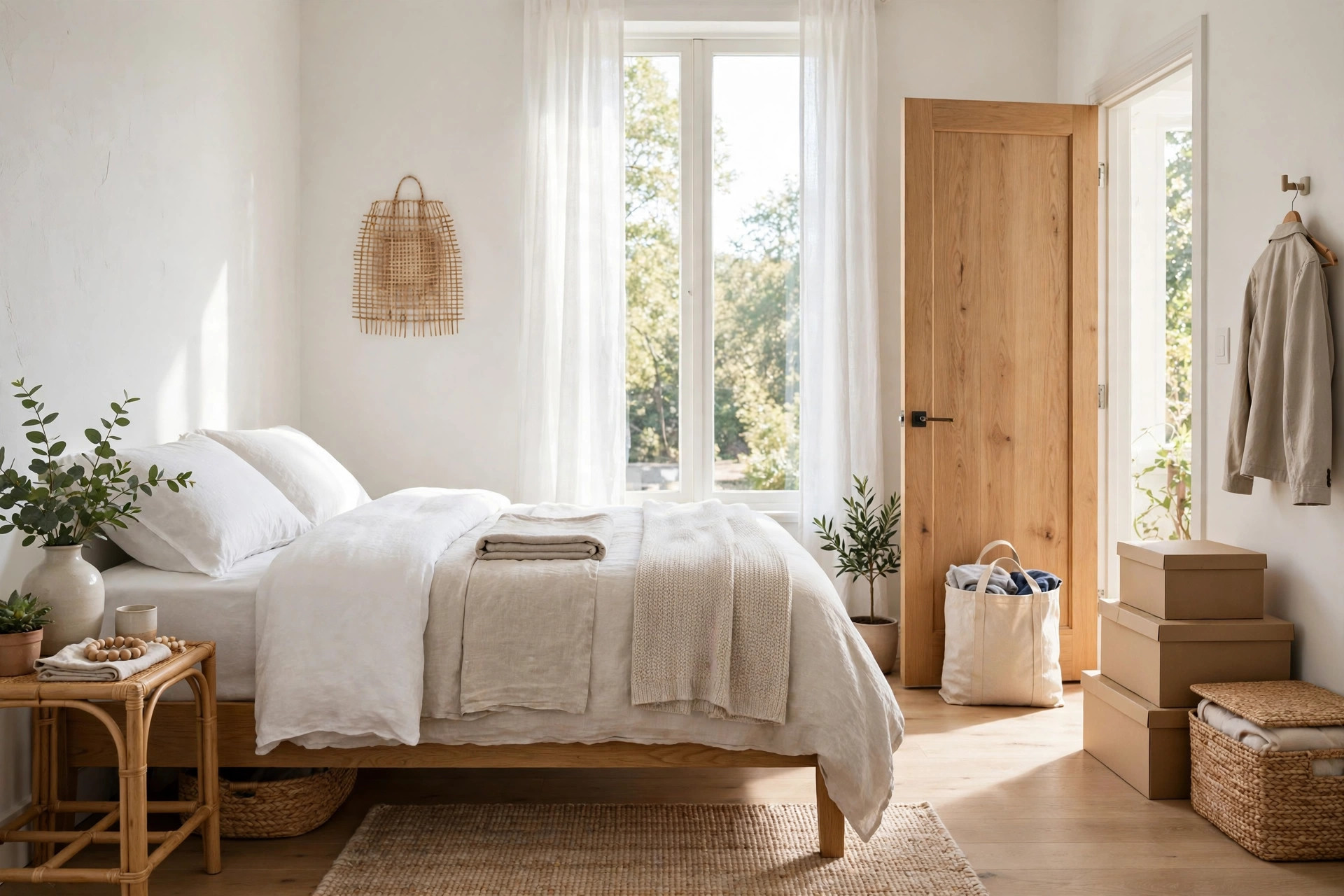
A fresh set of bedding, a clear surface for a bag, and a working bedside light cover most guest needs. If you have no spare bedroom, a cot, an air mattress, or a pull-out sofa turns another room into a bedroom for a weekend. Do this in November, not the night before guests arrive.
11. Hang holiday lights safely
If you hang lights this month, check every cord for fraying and dispose of damaged strings. Plug outdoor lights into ground fault circuit interrupters (GFCIs) to reduce the risk of electrical fires, and turn lights off before going to sleep. Hanging them in November's milder weather is easier than doing the same job in December cold.
12. Check the septic system and water heater
If your home is on a septic system, November is a sensible time to check it before the house fills with guests and the system works hardest. For the water heater, an insulating blanket fitted to the manufacturer's instructions helps in an unheated basement or garage, but follow the manufacturer's instructions for your model rather than improvising.
13. Walk the whole house once
Finish with a slow walk around the house, inside and out, looking for what the checklist cannot predict: a cracked window seal, a dripping tap, a loose handrail, a door that no longer closes. Fix the small things in November. Winter and the holiday season will find the ones you skip.
Frequently Asked Questions
What should I do first in November?
In cold climates, protect pipes, drain outdoor taps, and clear gutters first, because freeze damage cannot wait. In warm climates, clear gutters before storm season and reset the entryway for wet weather first. Safety jobs, alarms and the kitchen extinguisher, come next everywhere.
How much can a thermostat setback save?
The US Department of Energy says you can save as much as 10% a year on heating and cooling by turning your thermostat back 7 to 10 degrees Fahrenheit for 8 hours a day from its normal setting. That is an upper bound, not a guaranteed or average saving, and setbacks are generally not recommended for heat pumps in heating mode.
Should I insulate my water heater?
An insulating blanket can help if the heater sits in an unheated basement or garage, but follow the manufacturer's instructions for your model. This article makes no savings claim for water heater insulation.
Do I need to worry about pipes if I live in a warm climate?
Freeze protection is a cold climate job. In warm climates, the November pipe job is checking outdoor taps and drains before storm season, not insulation against freezing.
When should I clean the oven?
In November, before the heavy cooking season. Do not run a self-clean cycle right before a big cooking day, in case the cycle reveals a fault when you need the oven most.
What is the single most useful November habit?
One slow walk around the house, inside and out, once a month. Checklists cover the predictable jobs; the walk catches the cracked seal, the dripping tap, and the loose handrail that no list can predict.
This checklist is general home maintenance guidance, drawn from Bob Vila's November projects list updated 27 October 2026 and the US Department of Energy thermostat guidance cited there. It is not a substitute for a qualified tradesperson where something is broken or unsafe.