Pest Control Cost in 2026: Prices by Pest
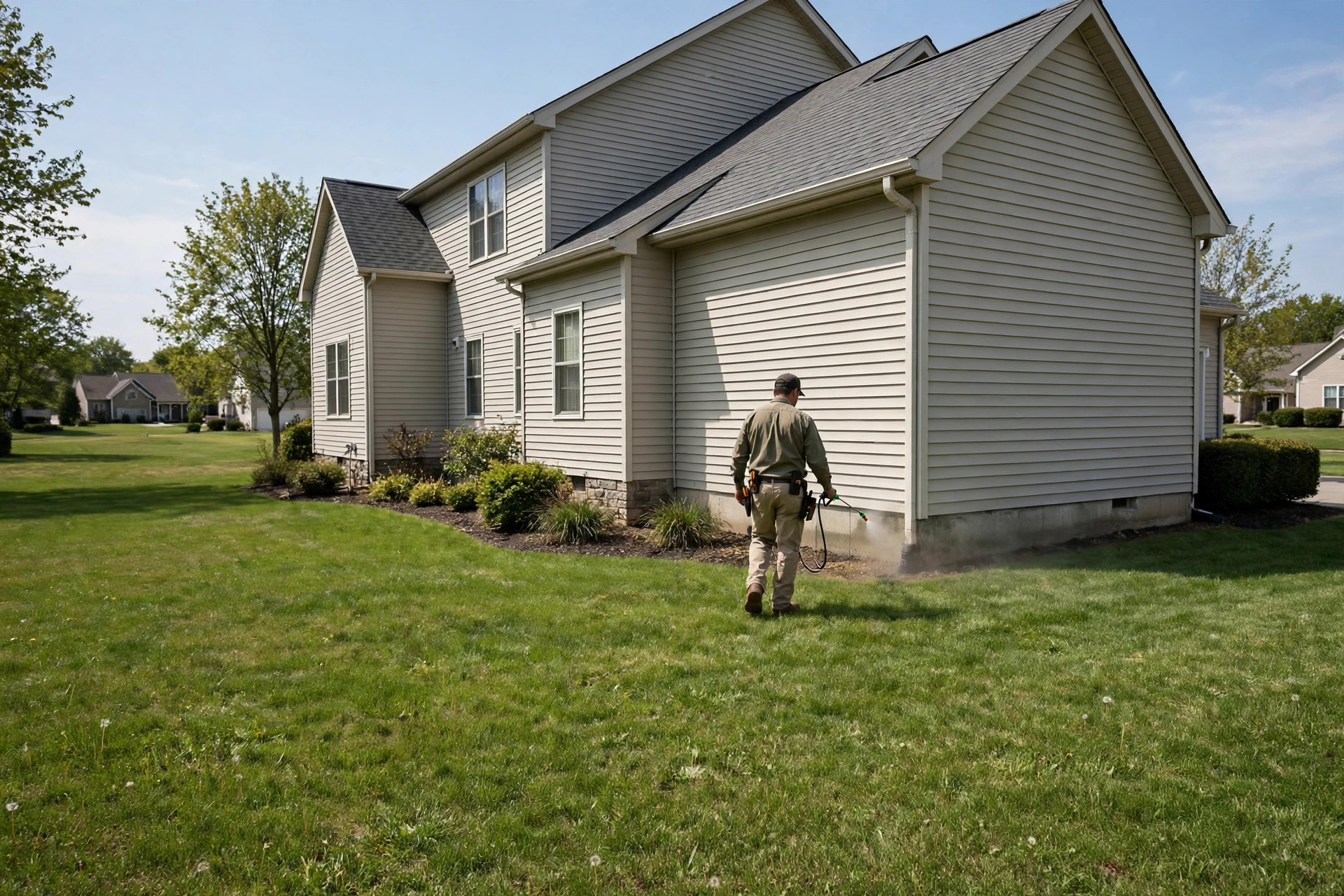
Few home expenses are as stressful as pest control, because you usually need it urgently and have no idea what a fair price looks like. Quotes can range from under $100 to several thousand dollars depending on the pest, the severity, and where you live. In this guide, you'll learn the average cost of pest control in 2026 for one-time visits and ongoing plans, what specific pests cost to treat (termites and bed bugs are in a league of their own), the factors that move your quote up or down, when DIY makes sense, and how to avoid overpaying.
Average Pest Control Costs in 2026
For common pests like ants, roaches, spiders, and occasional rodents, expect these national averages:
- One-time visit: $150 to $400 for a single treatment of a typical home.
- Quarterly plan: $100 to $300 per visit, or $400 to $1,200 per year. Quarterly service is the most common arrangement and usually the best value if you need ongoing protection.
- Monthly plan: $40 to $70 per month, typically for severe or recurring problems.
- Initial visit: Many companies charge more for the first visit ($150 to $300) because it includes a full inspection, then less for follow-ups.
These are national averages. Prices run higher in major metro areas and lower in rural markets, and a large home costs more to treat than a small apartment.
Cost by Pest: The Price Depends Enormously on the Invader
Ants, roaches, spiders, silverfish: $150 to $400 for a one-time treatment, or $100 to $300 per quarterly visit. These are the bread-and-butter pests, and most general pest control plans cover them.
Rodents (mice and rats): $200 to $600. Rodent jobs cost more because they involve trapping, removing entry points (exclusion work), and follow-up visits to confirm the problem is solved.
Termites: $500 to $3,000 or more. Termites are the most expensive common pest because treatment often means trenching around the foundation, bait stations, or whole-structure fumigation. The average termite treatment lands around $600 to $700 for a typical home, but severe infestations in large homes can run several thousand. Termite work almost always requires a professional.
Bed bugs: $500 to $2,500, averaging around $1,000 to $2,500 for heat treatment of a home. Bed bugs are labor-intensive: they hide everywhere, treatments often need repeating, and heat treatment (the most effective method) requires specialized equipment. This is not a DIY pest.
Mosquitoes: $75 to $200 per seasonal treatment, or $300 to $600 for a full season of monthly sprays. Mosquito control is usually a recurring warm-weather service.
Wildlife (raccoons, squirrels, bats): $300 to $1,500 depending on the animal and the entry-point repairs needed. Wildlife removal often includes exclusion work, which is skilled labor.
What Affects Your Quote
Severity of the infestation. A few ants in the kitchen is a $150 visit. Ants in every room is a different job. Be honest about what you're seeing so the quote is accurate.
Home size and layout. More square footage means more product and more labor. Multi-story homes and homes with crawl spaces or basements cost more to treat thoroughly.
Treatment type. Targeted sprays are cheapest. Baiting systems, heat treatment, and fumigation cost more because they use specialized equipment.
Location. Labor costs drive pest control pricing, so expect to pay more in high-cost metro areas like New York, San Francisco, or Boston than in smaller markets.
Frequency. One-time emergency visits cost the most per visit. Quarterly plans bring the per-visit price down significantly, which is why companies push them.
DIY vs Professional: When Each Makes Sense
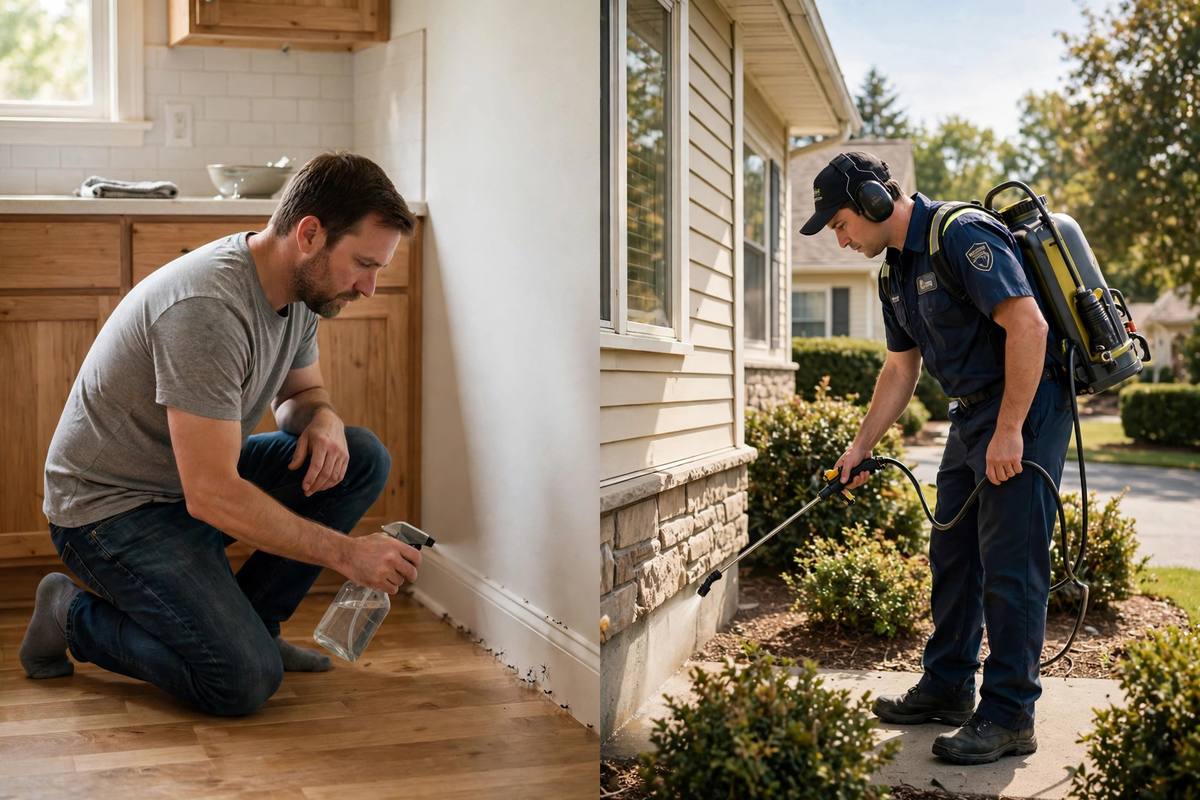
DIY works for: minor ant or spider issues, prevention (sealing cracks, storing food properly, reducing moisture), and single-mouse incidents with snap traps. Basic sprays and baits from a hardware store run $10 to $30 and handle small problems fine.
Call a professional for: termites (always), bed bugs (almost always), recurring roach problems, any infestation that keeps coming back after DIY attempts, and wildlife inside the home. The risk of a half-solved termite or bed bug problem is structural damage or months of bites, which dwarfs the cost of hiring out.
How to Avoid Overpaying
Get three quotes. Prices for the same job can vary by hundreds of dollars between companies. For anything over $500, three quotes is worth the afternoon it takes.
Ask what's included. Does the quote cover follow-up visits? What happens if the pests come back in 30 days? A reputable company guarantees its work with free re-treatments inside a warranty window.
Be wary of the hard upsell. Some companies use a cheap inspection to pressure you into an expensive annual contract on the spot. Get the quote, say you'll think about it, and compare.
Check the plan details. Quarterly plans are great value if you need them, but read what pests are covered and what triggers extra charges. "General pest control" often excludes termites, bed bugs, and wildlife.
Prevent first. The cheapest pest control is prevention: seal entry points with caulk, fix leaks (pests need water), store pantry food in sealed containers, and keep firewood and debris away from the foundation. Our decluttering guides help here too, since clutter gives pests places to hide.
Frequently Asked Questions
How much does a one-time pest control visit cost?
For common pests like ants or roaches, a one-time visit typically costs $150 to $400 for an average home. Specialty pests cost much more: termites average $600 to $700 per treatment and bed bugs average $1,000 to $2,500.
Is a quarterly pest control plan worth it?
If you live somewhere with year-round pest pressure (the South, humid climates, or wooded lots), yes. At $100 to $300 per visit, a quarterly plan is cheaper per visit than one-off calls and catches problems early. If you rarely see pests, pay per visit instead.
Why is bed bug treatment so expensive?
Bed bugs hide in dozens of places per room, survive months without feeding, and resist many pesticides. Effective treatment means heating rooms to lethal temperatures with specialized equipment or multiple meticulous chemical applications plus follow-ups. The labor is the cost.
Do renters or landlords pay for pest control?
It depends on your lease and local laws. Many leases make landlords responsible for infestations present at move-in or caused by building issues, while tenants handle problems they introduced. Document what you find, notify your landlord in writing, and check local tenant-protection rules before paying out of pocket.
How can I tell if a pest control quote is fair?
Compare at least three quotes for the same described problem, and be suspicious of any quote dramatically lower or higher than the others. Fair quotes itemize the treatment type, number of visits, and warranty terms. Vague quotes with pressure to sign today are a red flag.