17 Best Smart Home Devices for an Organized Home (2026)
Smart home gear earns its place when it removes chores, not when it adds another app to your phone. The devices below do practical work: they vacuum while you are out, lock the door behind you, remind you the laundry finished, and catch the leak under the sink before it turns into a landlord dispute. Every pick works in a rental without rewiring, and every price is a real street price, not a launch-day MSRP.
The Full List: 17 Devices Worth Buying
- 1. Amazon Echo Dot ($35 to $50): The cheapest way to start. It runs timers, reminders, and shopping lists by voice, and it controls nearly everything else on this list. It drops to $35 on sale regularly, so never pay full price.
- 2. TP-Link Tapo smart plugs, 4-pack ($25 to $30): Put lamps, fans, and holiday lights on schedules. They also cut standby power from TVs and game consoles, which trims a few dollars off the electric bill every month.
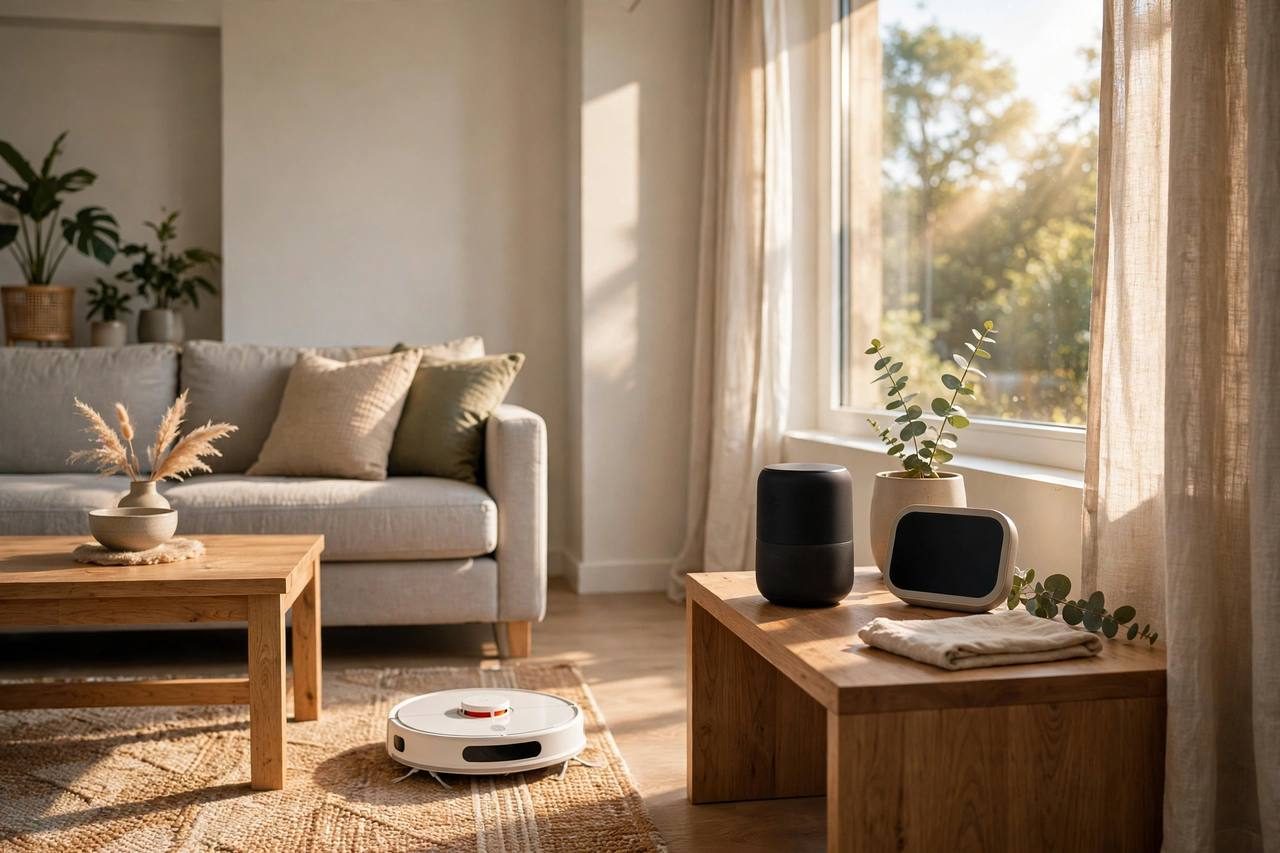
- 3. Roborock Q5 robot vacuum ($300 to $430): The single biggest time saver on this list. It maps your apartment, vacuums on a schedule, and handles pet hair without choking. Run it while you are at work and come home to clean floors.
- 4. Philips Hue White smart bulbs ($15 each): Reliable, dimmable, and they respond instantly. Start with the two or three lamps you use most. You do not need the color versions unless you enjoy tinkering with scenes.
- 5. Govee LED light strips ($15 to $30): Stick them under kitchen cabinets, inside closets, or behind the TV. Motion-activated strips in a dark closet or pantry make small spaces far easier to keep organized.
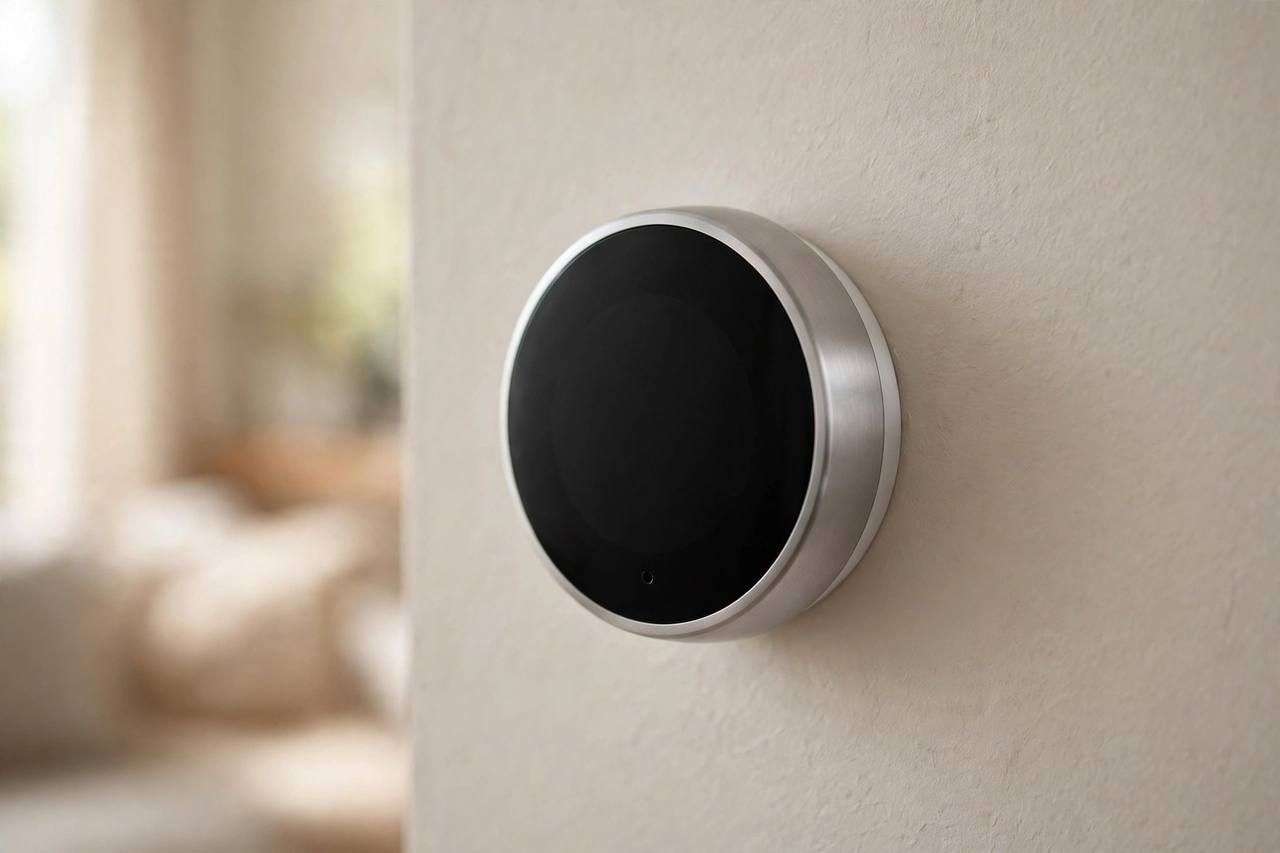
- 6. Google Nest Thermostat ($130): The best value in smart thermostats. Simple schedules and an easy app, with typical energy savings of 8 to 10 percent on heating and cooling. Check for a C-wire before buying.
- 7. August Wi-Fi Smart Lock ($150 to $200): The renter-friendly lock. It replaces only the inside thumbturn, so your landlord's key still works from outside. Auto-lock means you stop wondering whether you locked up.
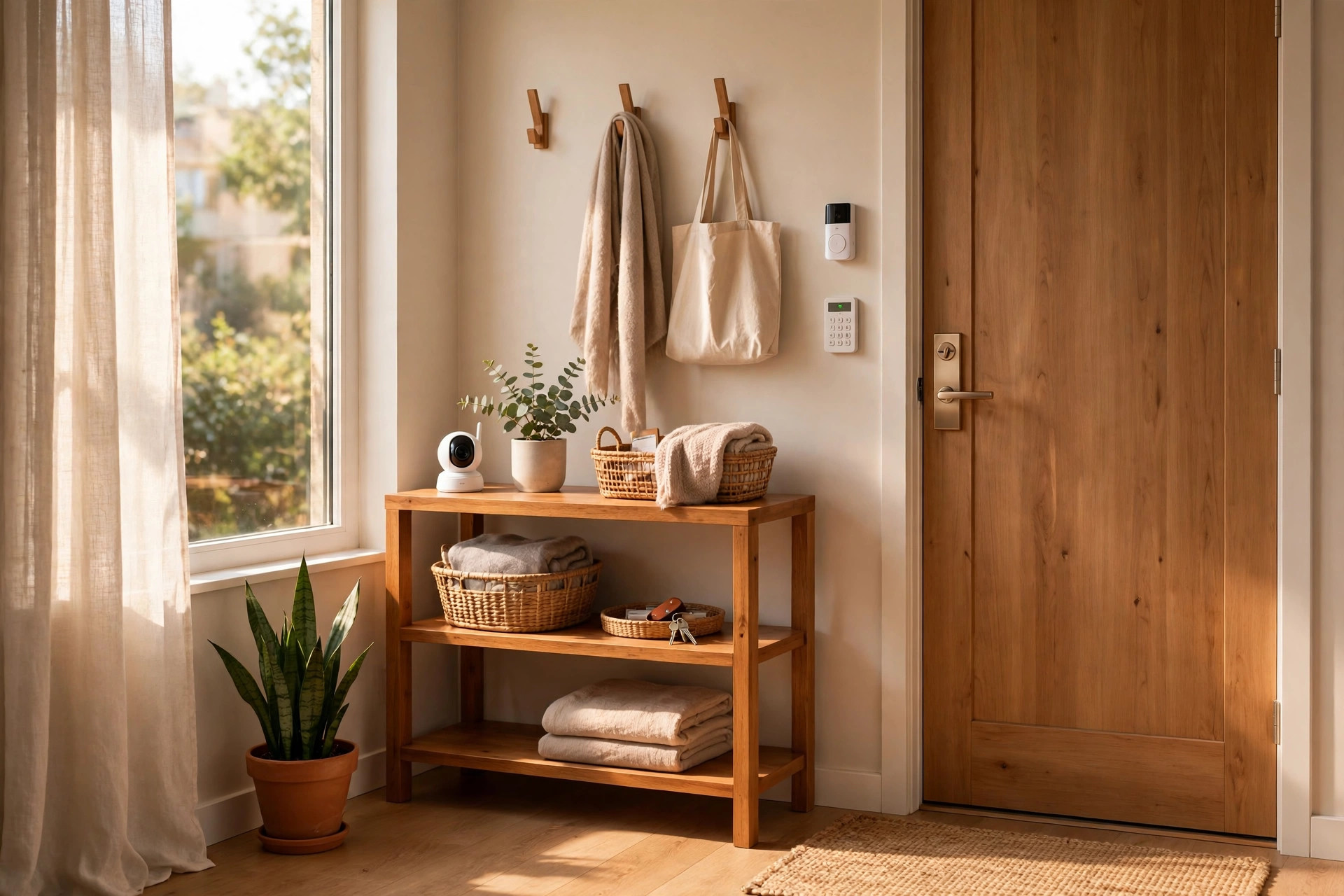
- 8. Ring Battery Video Doorbell ($100): No wiring needed, which makes it the default pick for renters. You get motion alerts and live view; recorded video history requires a Ring Protect plan.
- 9. Wyze Cam v4 ($36): A genuinely good indoor camera for the price of a pizza. Use it to check on pets, watch the front door from inside, or confirm you turned off the straightener.
- 10. Aqara door and window sensors ($18 each): Stick one on the front door and get a phone alert if it opens unexpectedly. They also power automations like turning off the AC when a window opens.
- 11. Govee water leak detectors, 3-pack ($35): Put one under the kitchen sink, one behind the washing machine, and one by the water heater. A $12 sensor beats a $2,000 flood every time.
- 12. SwitchBot Bot ($30): A tiny robot finger that physically presses buttons. It makes dumb switches, coffee makers, and window AC units smart without any wiring, which is perfect for rentals.
- 13. Aqara Hub M2 ($50): The affordable hub that ties Zigbee sensors together and works with Alexa, Google, and Apple HomeKit. Buy it if you go beyond three or four sensors.
- 14. SwitchBot Hub 2 ($70): Adds infrared control, so your phone or voice assistant can run an old window AC, TV, or fan. In rentals with window units, this one pays for itself in a single summer.
- 15. Chamberlain myQ Smart Garage Control ($30): For homeowners and townhouse renters with a garage. Check whether the door is closed from anywhere, and get alerts if it opens unexpectedly.
- 16. Levoit Core 300S smart air purifier ($150): Schedules, air quality readings, and quiet sleep mode in the app. Worth it if anyone in the home has allergies or you cook a lot in a small kitchen.
- 17. Amazon Echo Show 8 ($85 to $150): A kitchen counter display for timers, recipes, video calls, and a live feed from your doorbell. It becomes the household dashboard faster than you would expect.
Buy Them in This Order
Do not buy all 17 at once. Start with the voice assistant, smart plugs, and bulbs, which totals roughly $100 and covers lighting and scheduling. Add the robot vacuum next, since it saves the most weekly time. Then layer in the smart lock and doorbell for entry security, and finish with sensors and the hub once you know which automations you actually want. Buying in stages also means each device gets set up properly instead of half-configured in a drawer.
Renter-Friendly Notes
Everything on this list installs without drilling or rewiring: adhesive mounts, batteries, and plug-in power. The August lock keeps your landlord's exterior key working, which removes the most common lease objection. For the thermostat, ask permission first and keep the original in a labeled box so you can reinstall it at move-out. When you move, factory reset each device and pack them with your other electronics; a full apartment setup reinstalls in about two hours.
What You Can Skip
Smart blinds cost $200 or more per window and rarely pay off in a rental. Whole-home audio systems are overkill for under 1,000 square feet. And skip any gadget that needs its own subscription to do the basic job you bought it for; the monthly fees quietly erase whatever the device saved you.
Frequently Asked Questions
How much should I budget for a starter smart home?
About $100 to $150 covers the essentials: a smart speaker, a 4-pack of smart plugs, and two or three smart bulbs. That setup handles lighting schedules, voice control, and basic automation. Add $300 to $450 later for a robot vacuum, which is the biggest quality-of-life upgrade.
Do these devices work without rewiring or drilling?
Yes, every device on this list. They use batteries, plug into outlets, or mount with adhesive. The smart lock replaces only the interior side of your existing deadbolt, and the video doorbell runs on a rechargeable battery.
Which smart home ecosystem should I pick: Alexa, Google, or Apple?
Pick the one that matches your phone and the speaker you already own. Alexa has the widest device compatibility, Google is strong if you live in Gmail and Google Calendar, and Apple HomeKit is the pick for iPhone-heavy households that value privacy. Most devices on this list work with at least two of the three.
Will smart devices raise my electric bill?
Barely. Most sensors and plugs draw under 2 watts. Smart plugs and thermostats usually lower the bill by cutting standby power and optimizing heating and cooling. The robot vacuum uses less electricity per cleaning session than a regular upright vacuum.
Can I take everything with me when I move?
Yes. Unplug, peel off adhesive mounts, factory reset each device in its app, and reinstall in the new place. Keep the original boxes for the lock and thermostat so move-out teardown is clean.
What is the one device you would buy first?
The robot vacuum, if the budget allows. Nothing else on this list saves as many hours per month. If the budget is tight, start with the Echo Dot and smart plugs, which transform daily routines for around $75.