How Much Does a Storage Unit Cost in 2026?
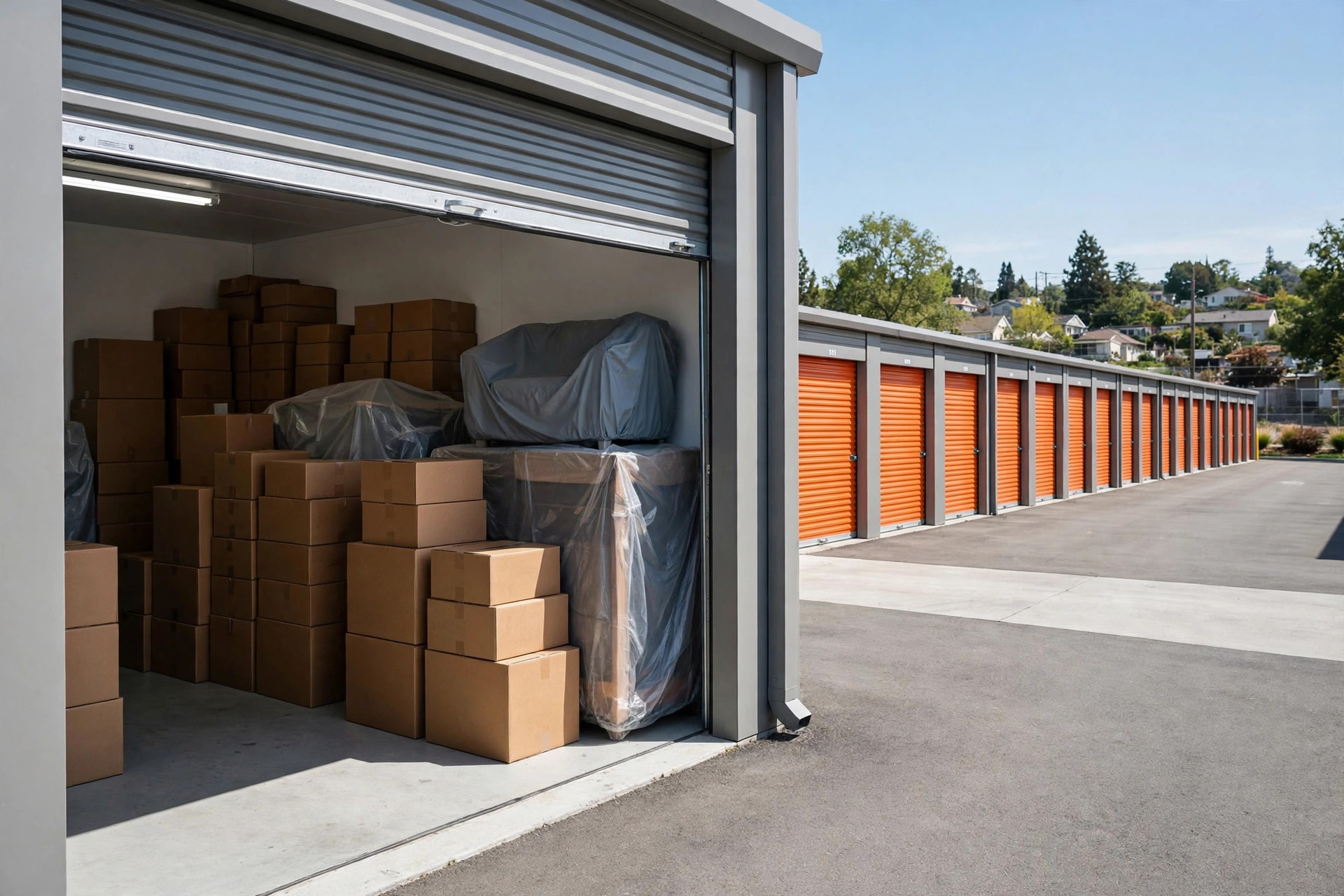
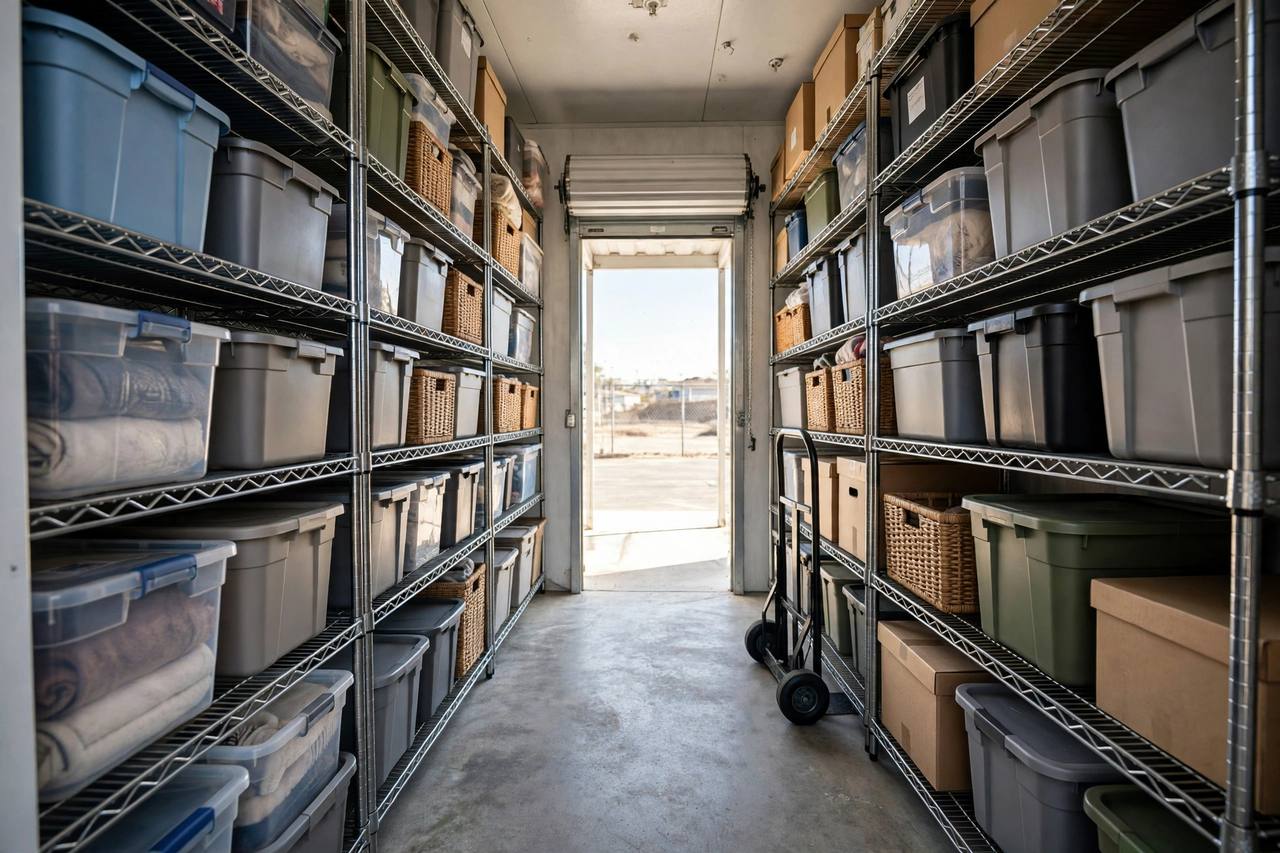
The garage is full. The closet is full. The "spare room" is a storage room with a bed in it. And you're doing the math on a storage unit, because $100 a month to make the chaos disappear sounds reasonable until you multiply it by a year.
Here's what storage units cost in 2026, what the advertised price leaves out, and the honest math on when renting one makes sense versus just purging.
The Short Answer: Monthly Rates by Size
| Unit size | What it fits | Typical 2026 monthly rate | |---|---|---| | 5x5 (25 sq ft) | Boxes, small furniture, seasonal decor | $50 to $90 | | 5x10 (50 sq ft) | Studio apartment contents | $75 to $130 | | 10x10 (100 sq ft) | One-bedroom apartment | $100 to $180 | | 10x15 (150 sq ft) | Two-bedroom apartment | $130 to $220 | | 10x20 (200 sq ft) | Three-bedroom house | $160 to $280 | | 10x30 (300 sq ft) | Full house, vehicle plus boxes | $220 to $350 |
These are national ranges. Major metros run 30 to 50 percent higher, and the priciest cities much more; rural areas run lower.
Climate Control: Worth the Premium?
Climate-controlled units (heated, cooled, humidity-managed) cost roughly 15 to 30 percent more than standard drive-up units. Pay it for: wooden furniture, electronics, musical instruments, artwork, photos, important documents, and anything leather. Skip it for: plastic bins of holiday decor, sports gear, and tools.
The rule: if heat or damp would ruin it in a garage, it needs climate control. Everything else can go standard.
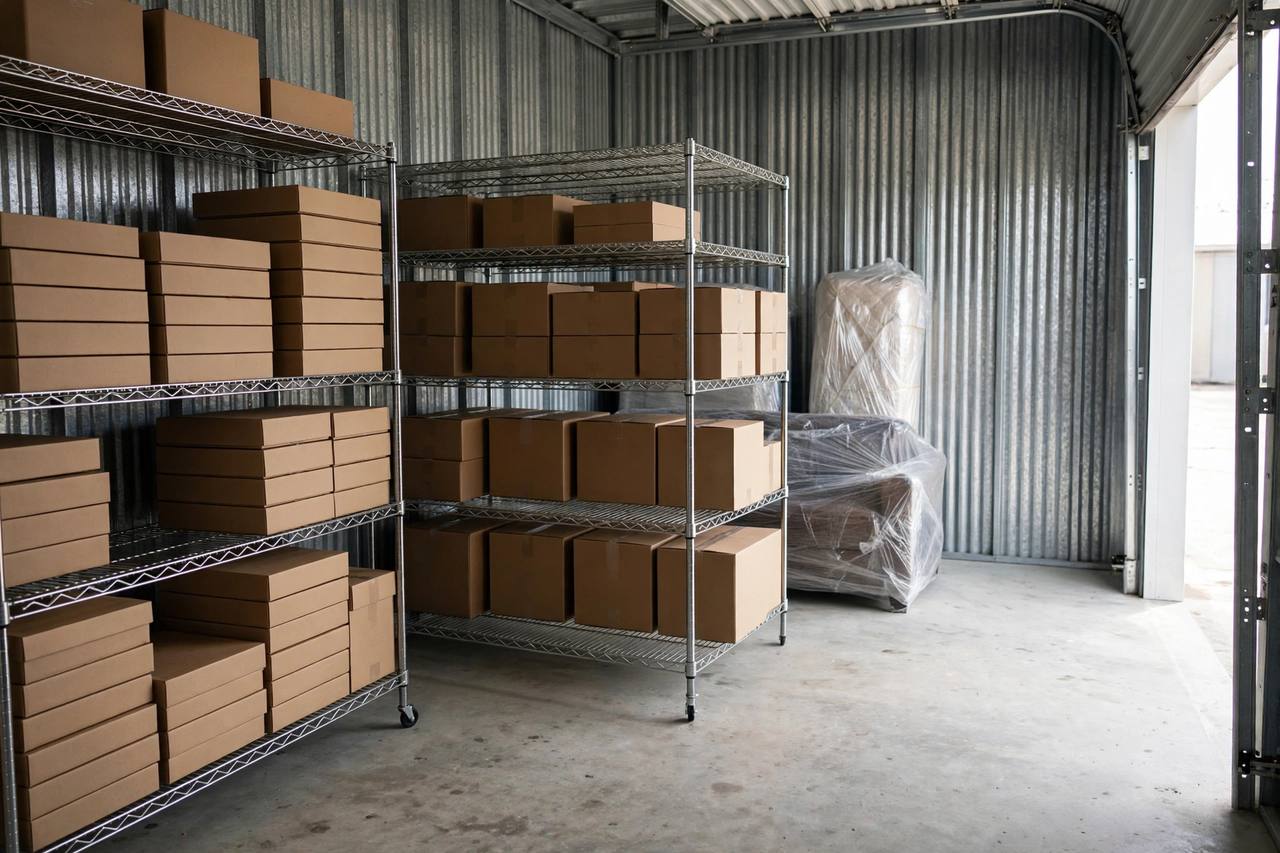
The Fees Nobody Advertises
The "$1 first month" special is real. So is the second month at full price, plus:
Administrative fee: $15 to $30 one-time at signup. Nearly universal.
Insurance: $10 to $30 per month, often mandatory. Your homeowner's or renter's insurance may already cover stored belongings; check before paying for the facility's policy.
Lock: $10 to $25 if you don't bring your own. Bring your own disc lock.
Late fees: $20 to $50, and facilities can lien and auction your unit after 30 to 90 days of non-payment depending on state law. Set autopay.
Rate increases: the standard industry play. Expect a 10 to 20 percent hike within the first year, sometimes sooner. Ask about the facility's increase history before signing.
Real first-year cost of a "$99/month" 10x10 unit: roughly $1,400 to $1,600 after fees and one increase.
When a Storage Unit Makes Sense
During a move with a gap. Closing on the new place two months after leaving the old one? A unit is cheaper than insanity. This is the best use case.
Renovations. Furniture has to go somewhere while floors are refinished. Short-term, defined end date.
Seasonal business inventory. Legitimate business use with revenue attached.
Downsizing transition. Six months to sort through a lifetime of stuff while settling into a smaller place. Set a hard deadline.
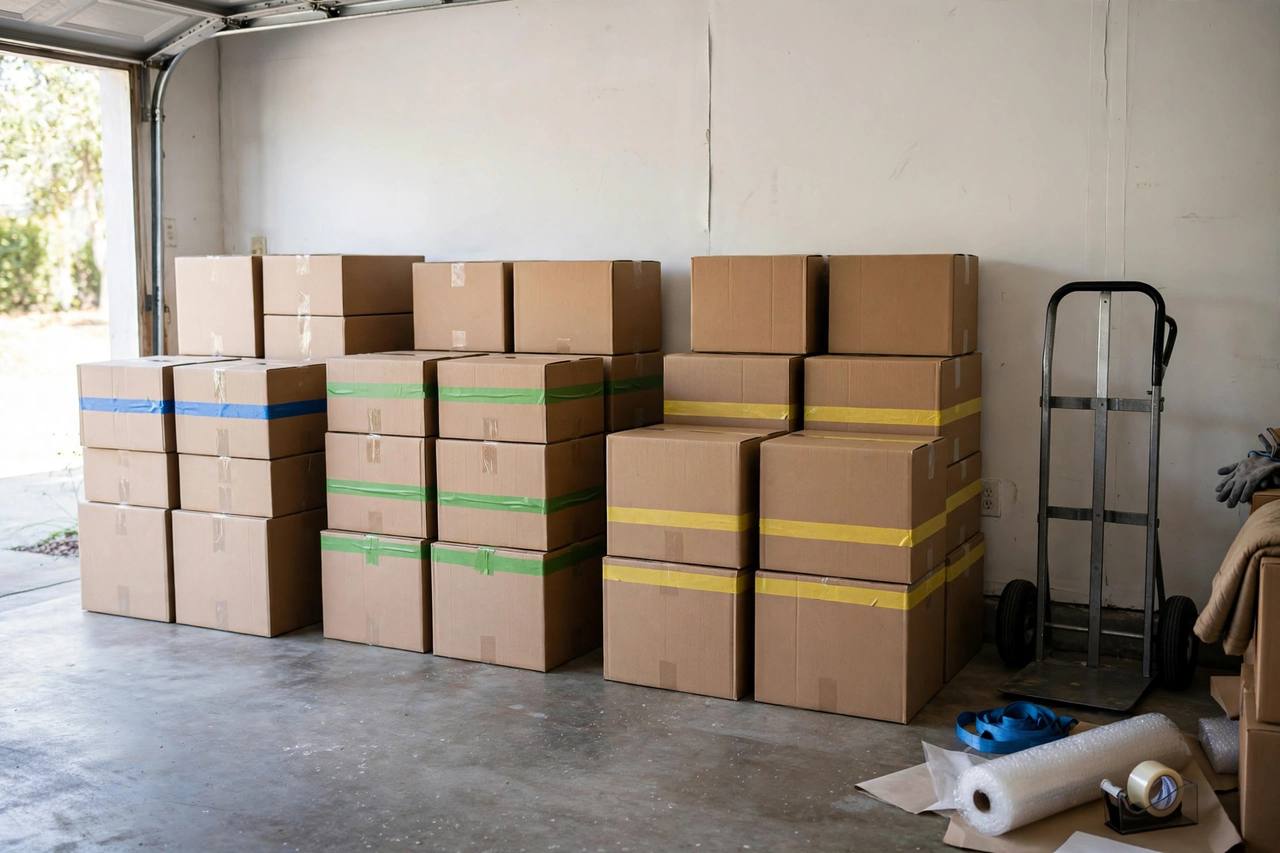
When It's Just Expensive Procrastination
Storing things worth less than the rent. If the unit holds $800 of stuff and costs $1,500 a year, you're paying to avoid a weekend of decisions. Do the purge math: sell, donate, or toss anything worth less than 3 months of rent.
The indefinite unit. The average renter keeps a unit for over a year, and a huge share of units hold things the owner hasn't touched in 12+ months. If you haven't opened it in a year, you don't need what's in it.
Storing "someday" furniture. The guest bed for the guest room you don't have, the dining set for the bigger place you might buy. Someday furniture is the most expensive kind.

The Purge-First Alternative
Before signing, try the one-weekend test: pull everything that would go into the unit into one room. Price what it's actually worth (check Marketplace sold listings, be honest). If the total is less than a year of rent, sell and donate it instead, and keep the $1,500.
If you do rent: label every box, keep an inventory list on your phone, visit quarterly, and set a calendar reminder for month 11 to re-decide. A storage unit with a deadline is a tool. Without one, it's a subscription to your own clutter.